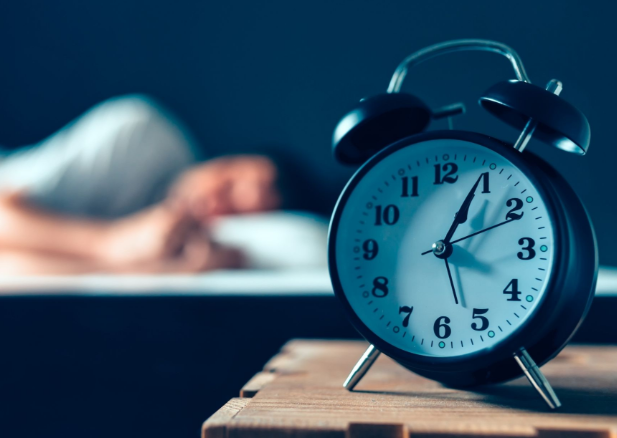
Sleep plays a critical role in maintaining overall health and wellbeing. Adequate rest is essential for cognitive function, emotional balance, immune support, and cardiovascular health. However, sleep disorders are increasingly common in urban populations, fueled by lifestyle changes, stress, and medical conditions. Among these, sleep apnea is a significant concern due to its impact on daily functioning and long-term health outcomes.
What is Sleep Apnea?
Sleep apnea is a condition characterized by repeated interruptions in breathing during sleep. These interruptions can last for a few seconds to a minute and may occur dozens or even hundreds of times per night. There are two main types of sleep apnea: obstructive sleep apnea (OSA) and central sleep apnea (CSA).
Obstructive sleep apnea, the more common form, occurs when the muscles in the throat relax excessively, blocking the airway. Central sleep apnea is less common and happens when the brain fails to send proper signals to the muscles controlling breathing. Both types result in fragmented sleep, leading to daytime fatigue, irritability, and other health complications.
Prevalence and Risk Factors
Sleep apnea affects millions of people worldwide, and the prevalence is higher in urban areas due to lifestyle and environmental factors. In regions like Hong Kong, studies indicate that a growing number of adults experience symptoms related to sleep-disordered breathing. Factors contributing to sleep apnea include obesity, smoking, alcohol consumption, aging, and certain anatomical features like a thick neck or narrow airway.
Individuals with preexisting conditions such as hypertension, diabetes, and cardiovascular diseases are also at greater risk. Sleep apnea not only worsens these conditions but can also contribute to complications like heart attack, stroke, and metabolic disorders if left untreated.
Symptoms and Early Detection
Recognizing sleep apnea early is crucial for effective management. Common symptoms include loud snoring, choking or gasping during sleep, excessive daytime sleepiness, morning headaches, and difficulty concentrating. Partners or family members often notice irregular breathing patterns first, making observational reports valuable in identifying the condition.
Medical professionals may recommend diagnostic tests such as polysomnography, which monitors breathing, oxygen levels, heart rate, and brain activity during sleep. For patients in urban centers like Hong Kong, specialized clinics that focus on sleep medicine offer comprehensive evaluations to diagnose sleep apnea hong kong accurately.
Health Implications of Untreated Sleep Apnea
Untreated sleep apnea can have severe consequences for both physical and mental health. Chronic sleep deprivation affects the body’s cardiovascular system, leading to high blood pressure, increased heart rate, and elevated risk of heart disease. It can also impair glucose metabolism, increasing the likelihood of developing type 2 diabetes.
Mentally, individuals with untreated sleep apnea often experience memory lapses, difficulty concentrating, mood swings, and increased risk of depression or anxiety. For professionals, students, and caregivers, these effects can severely impact productivity and quality of life. Addressing sleep apnea promptly is therefore essential for long-term health and wellbeing.
See also: Health Hacks Ontpwellness: Health Hacks: Ontpwellness for Optimal Health
Treatment Options and Therapies
Managing sleep apnea typically involves lifestyle changes, medical devices, and in some cases, surgical interventions. Lifestyle adjustments such as weight management, quitting smoking, reducing alcohol intake, and maintaining a regular sleep schedule can significantly reduce symptoms in mild cases.
Continuous positive airway pressure (CPAP) therapy is the most common treatment for moderate to severe obstructive sleep apnea. CPAP devices deliver a constant stream of air through a mask, keeping the airway open during sleep. For patients in Hong Kong, access to CPAP therapy and professional guidance is increasingly available through sleep clinics specializing in sleep apnea hong kong.
Alternative treatments include oral appliances that reposition the jaw to maintain airway patency and surgical procedures to remove excess tissue or correct structural abnormalities. The choice of treatment depends on the severity of the condition, patient preference, and medical evaluation.
The Role of Technology in Sleep Management
Advancements in technology are revolutionizing the diagnosis and management of sleep disorders. Wearable devices, smart mattresses, and home-based monitoring systems allow patients to track sleep quality, breathing patterns, and oxygen levels. Telemedicine platforms also enable remote consultations with sleep specialists, increasing accessibility for patients in urban areas.
In Hong Kong, clinics are integrating digital health tools to provide comprehensive management for sleep apnea hong kong These technologies not only improve diagnostic accuracy but also help patients adhere to treatment plans and monitor long-term progress.
Raising Awareness and Promoting Preventive Care
Public awareness about sleep disorders is crucial for early detection and effective management. Many individuals normalize symptoms such as snoring or daytime fatigue, delaying diagnosis until complications arise. Educational campaigns, workplace wellness programs, and community health initiatives can help highlight the importance of recognizing and treating sleep apnea.
Healthcare providers play a key role in preventive care by screening at-risk individuals, recommending lifestyle interventions, and guiding patients toward specialized care. Early intervention can prevent long-term health consequences and improve overall quality of life.
Conclusion
Sleep apnea is a prevalent and serious health condition that affects millions worldwide, including urban populations in Hong Kong. Its impact on physical and mental health underscores the importance of early detection, effective treatment, and ongoing management. Services focused on sleep apnea hong kong provide essential support, combining professional evaluation, advanced technology, and tailored therapy to improve patient outcomes.
By raising awareness, promoting preventive care, and leveraging modern medical advancements, the healthcare industry can help individuals achieve restorative sleep, enhance their wellbeing, and reduce the burden of sleep-related health complications. Addressing sleep apnea proactively is a crucial step toward a healthier, more productive society.