Phone verification records raise important privacy and security questions. The list highlights the need for data minimization, strong access controls, and clear retention policies. Verifications should confirm ownership without exposing details, using device attestations, SMS/voice checks, and anti-abuse measures. Transparent consent, audit trails, and timely deletion are essential. Balancing user autonomy with risk requires lifecycle governance from collection to disposal, plus regular reviews to prevent breaches. The implications warrant careful scrutiny as practices evolve.
What Is Phone Verification and Why It Matters
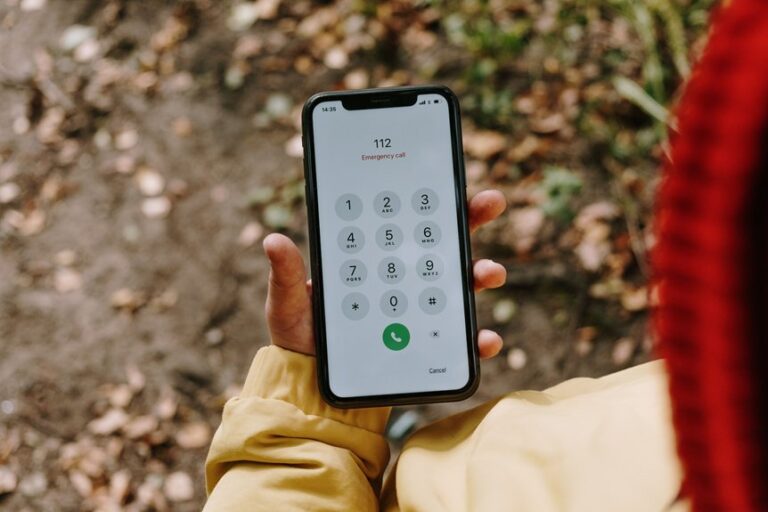
Phone verification is a process used to confirm that a user possesses a specific phone number and can receive messages or calls associated with that number. It clarifies identity, reduces fraudulent activity, and supports access control.
The practice supports data minimization, privacy safeguards, and consent management, while enabling ongoing security audits. It balances user autonomy with responsible verification, promoting trustworthy service use.
How Verification Keeps Users Safe Across Services
Verification across services builds on the prior understanding of phone verification by applying a consistent identity check to multiple platforms. This approach reduces fraud exposure by aligning verification steps, while carefully managing risks. It emphasizes data minimization to limit sensitive access, highlighting verification risks and privacy preservation. A balanced framework supports user autonomy and trust, with transparent safeguards.
Practical Methods for Verifying Phone Numbers
Practical methods for verifying phone numbers encompass secure, scalable approaches that balance accuracy with privacy. Organizations employ SMS or voice verification, reCAPTCHA-like checks, and device-based attestations to confirm ownership while minimizing friction.
Verification challenges include carrier restrictions and timing delays. Privacy considerations emphasize data minimization, encryption, and clear retention policies to protect user information without compromising verification reliability.
Red Flags, Privacy, and Best Practices for Handling Phone Data
In progressing from practical verification methods to responsible handling of phone data, the focus shifts to identifying red flags, safeguarding privacy, and applying best practices throughout lifecycle stages—from collection to retention and disposal.
The discussion emphasizes privacy practices, data minimization, red flags, and user consent, urging careful governance, transparent disclosure, secure storage, and disciplined deletion to empower freedom while mitigating risk and misuse.
Frequently Asked Questions
How Are Phone Verification Records Stored Securely?
Phone verification records are stored using encryption at rest and in transit, with strict access controls and audit trails. Security practices emphasize least privilege, regular vulnerability assessments, and a transparent policy on data access for authorized personnel only.
Can Verification Data Be Shared With Third Parties?
Yes, verification data may be shared only when privacy concerns are addressed and data sharing allowed by policy, with restricted access, explicit consent, and robust safeguards, ensuring users’ freedom while maintaining compliance and accountability.
What Laws Govern Phone Verification Data Handling?
Privacy practices prevail: laws governing phone verification data handling emphasize privacy compliance and data minimization, guiding entities to limit collection and sharing, implement safeguards, and ensure transparency, while individuals retain rights to access, correction, and redress.
How to Dispute Incorrect Verification Records?
Disputes about verification records should be pursued promptly, with careful documentation. The reviewer weighs dispute timelines and conducts evidence submission, ensuring accuracy and procedural fairness while preserving user autonomy and lawful remedy options.
Do Carriers Charge Extra for Verification Services?
Carriers may charge fees for verification services, though amounts vary; timing can affect cost. The approach emphasizes transparency and consumer rights, urging careful review of terms, potential waivers, and statutory protections while balancing practical expectations with freedom.
Conclusion
Phone verification, when handled with care, reduces fraud while safeguarding user rights. By minimizing data exposure, employing device attestation, and enforcing strict retention, organizations maintain trust and compliance. Prudence—paired with transparent consent and auditable processes—ensures verification lives up to its promise without overreach. In this quiet balance, one might say the system acts as a guardian, not a gatekeeper, guiding users safely through digital spaces while respecting privacy.