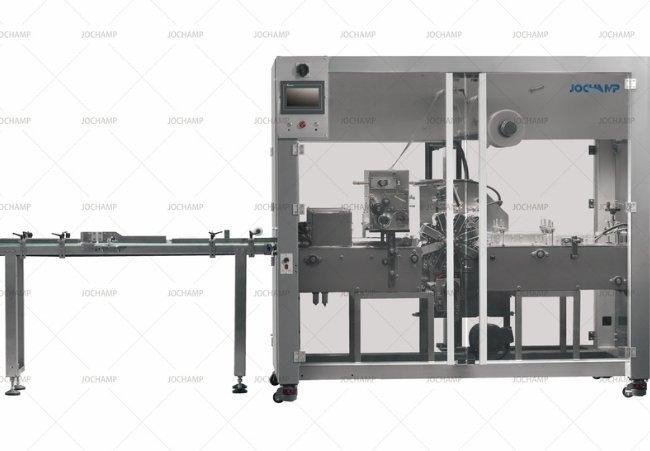
Customers are asking harder questions about packaging than they used to. They want to know what it is made of, whether it can be recycled, and how much is wasted. For a business wrapping its products in film, those questions matter, and the answers start with the choices around it. This guide looks at making a cellophane overwrapping machine greener, without losing the neat, sealed finish customers expect.
Start with the Film
The biggest environmental choice is the film itself. Cellophane is made from plant fibre, usually wood pulp, and breaks down naturally in the right composting conditions. That makes it a strong choice for producers of natural, organic or eco-friendly products, because the film supports the story the brand already tells. A cellophane overwrapping machine runs cellophane well, and the crisp, glossy finish is part of the appeal.
Plant-based PLA film is another option. It is made from plant starch, looks similar to polypropylene, and is compostable in industrial facilities. It costs more than standard film and needs careful storage, since heat and damp can make it brittle, but for a premium product it may be worth it. Polypropylene, the cheapest common film, is a plastic made from oil-based materials. It is tough and reliable, but not compostable, and belongs in plastic recycling streams that not every customer can access.
Cut the Waste, Not the Quality
The simplest green step for a cellophane overwrapping machine costs nothing: use less film. A cellophane overwrapping machine cuts each sheet to a set length, so the first job is to make sure that length is right. A sheet cut too long wastes film on every box, and over thousands of boxes that waste adds up. Set the cut length carefully for each box size, and check it when the film roll changes.
Rejects are waste too. Every box re-wrapped costs a sheet of film and the time it took. Keeping the machine clean and the settings right reduces rejects, which saves film and money. Collect trimmed film and offcuts for recycling where facilities exist, rather than sweeping them into general waste.
Energy and the Working Day
A wrapping machine does not use much electricity, but how it is run still matters. The sealing jaws of a cellophane overwrapping machine are the main draw, and they use the most power while heating up. Plan wrapping into fewer, longer sessions, so the machine heats up once and stays at temperature. Switch the machine off at the end of the day instead of leaving it on standby. The saving, small on its own, adds up across a year.
The working day matters too. A cellophane overwrapping machine that wraps steadily produces fewer rejects and less waste than one stopped and started all day. Group products by box size, prepare the workspace before starting, and wrap in longer runs. The result is less wasted film, less wasted time and a calmer workshop.
5 Steps Towards Greener Wrapping
- Choose plant-based film: cellophane or PLA suits brands that sell on natural values.
- Set the cut length right: a sheet cut too long wastes film on every box.
- Reduce rejects: clean the machine and check settings, so fewer boxes need re-wrapping.
- Recycle the offcuts: collect trimmed film for recycling where facilities exist.
- Plan longer runs: fewer heat-ups and fewer stoppages mean less waste and less energy.
Tell the Customer What You Have Done
Customers cannot see the choices behind a pack unless you tell them. If you use compostable film, say so on the carton and explain how to dispose of it. If you have cut film waste or switched to a plant-based material, mention it briefly on the pack or website. Keep the claim honest and specific: name the film and what the customer should do with it, rather than vague words such as eco or green.
Honest claims also protect the business. Customers are quick to notice when a green claim does not match the product, and a misleading claim can do more damage than saying nothing. If the film is compostable only in industrial facilities, say so. If it is recyclable only in certain areas, say that too. Clear, accurate information builds trust, and trust keeps customers coming back.
See also: Digital Employee Experience Best Practices
What About the Machine Itself?
The machine has a part to play as well. A well-maintained cellophane overwrapping machine wastes less film, uses less energy and lasts longer than one that is neglected. Clean the sealing jaws and folding plates regularly, keep the settings right and replace worn parts promptly. A machine that runs well for many years is itself a sustainable choice, because it avoids the materials and energy of building a replacement.
When the time comes to replace a cellophane overwrapping machine, ask the supplier what happens to the old one. Some suppliers take old machines for refurbishment or parts, which keeps them out of scrap. A machine built to last, looked after properly, and eventually refurbished is a far greener option than a cheap machine that fails early and is thrown away.
Frequently Asked Questions
Is cellophane really compostable?
Cellophane is made from plant fibre and breaks down naturally in the right conditions. Home composting may be slow, so check what local facilities accept and tell the customer clearly.
Does greener film cost more?
Usually, yes. Plant-based films cost more per roll than polypropylene, but the difference per box is small, and many customers will pay a little more for a product wrapped sustainably.
Can I switch films on my existing machine?
Most cellophane overwrapping machines run more than one film type, but check the film width and thickness range in your manual, and adjust the sealing temperature when you switch.
Final Thoughts
Greener wrapping is not about one big change. It is about a series of small ones: a plant-based film, a correctly set cut length, fewer rejects, longer runs and honest claims. A cellophane overwrapping machine is already a good starting point, because it runs the most traditional and most compostable clear film. Make the small changes around it, and the wrap on every box will look good and do good, which is what today’s customers want to see.