For small and medium-sized enterprises, Social Media Advertising Singapore offers a powerful alternative to traditional advertising by providing precise targeting, measurable results, and cost-effective campaigns. While traditional ads can reach a broad audience, social media allows businesses to engage directly with potential customers, track performance in real time, and adjust strategies for maximum impact.
Understanding the strengths and limitations of both approaches is essential for SMEs aiming to maximise their marketing budgets and achieve tangible results. In this article, we’ll compare social media advertising with traditional advertising to help Singapore SMEs make informed decisions.
Understanding Traditional Advertising
Traditional advertising uses offline methods to promote products or services. Common examples include:
- Print ads: newspapers, magazines, flyers, brochures, direct mail.
- Broadcast media: TV commercials, radio spots.
- Outdoor ads: billboards, posters, signs.
- Other offline media: catalogues, brochures, direct-mail campaigns.
Traditional advertising usually focuses on mass exposure and brand awareness, rather than targeting specific people or tracking exact results.
Key Advantages
- Reach a large audience: TV, radio, newspapers, and billboards can reach many people at once.
- Build credibility: Ads in established media are often seen as trustworthy.
- High recall: Repeated exposure makes your brand more memorable.
- Reach offline audiences: Older people or those less active online are more likely to see these ads.
- Physical presence: Printed materials and outdoor ads can leave a lasting impression.
Traditional advertising isn’t dead, but it works best as part of a broader marketing strategy, not as the only method, especially for small businesses or digitally-focused audiences.
Understanding Social Media Advertising in Singapore
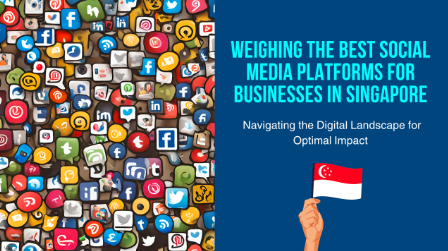
Social media advertising uses platforms like Facebook, Instagram, TikTok, LinkedIn, or YouTube to promote a business, product, or service through feed ads, story ads, video ads, or sponsored posts.
In Singapore, where internet use is very high (~96% penetration) and most people are active on social media, these ads have become a mainstream marketing channel, not just an optional extra. Many Singaporeans spend several hours a day online, giving brands plenty of opportunities to reach and influence their audience.
Social media combines broad reach with advanced targeting, letting businesses run campaigns for large audiences or very specific groups depending on their goals.
Why Social Media Ads Work Well in Singapore
- High adoption and engagement: Most Singaporeans use multiple social media platforms.
- Frequent usage: People spend hours daily online, allowing repeated exposure to ads.
- Platform variety: Different platforms suit different demographics and content types.
- Growing investment: Brands in Singapore are increasingly allocating bigger budgets to social ads.
- Trackable results: Social ads let marketers measure reach, engagement, clicks, and conversions.
Social media ads in Singapore are effective because they combine scale, precision, and measurable performance.
How Social Media Advertising Works: Key Steps
- Define Goals & Audience: Decide if the goal is brand awareness, leads, sales, engagement, or app installs. Identify your target audience by age, location, interests, or behavior.
- Choose Platforms & Ad Formats: Match platforms and ad types to your audience:
- Short-form videos or stories for younger, mobile-first users.
- Carousel or image ads for product showcases.
- Sponsored posts for broad reach.
- Retargeting ads for those who showed prior interest.
- Craft Engaging Content: Create visuals and copy that match the platform, local culture, and user preferences. Content must resonate with Singapore’s diverse audience.
- Run, Monitor & Optimize: Track impressions, clicks, conversions, and cost per acquisition. Test different creatives, audiences, and placements. Adjust campaigns based on performance.
- Combine Paid and Organic Content: Support paid ads with regular posts, community engagement, and meaningful interaction for long-term credibility and trust.
Key Comparison: Social Media vs Traditional Ads
- Targeting
- Social Media: You can reach very specific groups of people based on their age, location, interests, and online behavior. This ensures your ads are shown to the most relevant audience.
- Traditional Ads: Ads are broadcast to a wide audience (TV, radio, print, billboards), so many viewers may not be your target customers.
- Cost & Flexibility
- Social Media: Usually more affordable, and you can start small, adjust your budget, or tweak campaigns anytime.
- Traditional Ads: Production and placement (TV slots, print, billboards) are expensive. Once an ad runs, it’s hard and costly to make changes.
- Measurability
- Social Media: Provides real-time data on impressions, clicks, engagement, and conversions, making it easy to track ROI.
- Traditional Ads: Harder to measure effectiveness. You usually estimate results based on surveys, sales lift, or general exposure.
- Engagement
- Social Media: Social media lets people comment, share, like, and message your brand, which helps create a sense of community.
- Traditional Ads: Mostly one-way communication; audiences see the ad but cannot interact directly.
- Reach & Awareness
- Traditional Ads: Excellent for reaching a large, broad audience, including people who are less active online.
- Social Media: Best for reaching people who are active online or specific target groups, not everyone.
- Longevity
- Traditional Ads: Physical ads create lasting impressions through repeated exposure.
- Social Media: Ads disappear once a campaign ends unless you continue supporting them with organic content.
- Suitability for SMEs / Small Budgets
- Social Media: Ideal for smaller businesses with limited budgets. You can target specific audiences and scale campaigns gradually.
- Traditional Ads: Better suited for brands with large budgets aiming for broad visibility.
Using both social media ads and traditional ads together usually gives the best results. Combining them helps you reach more people in different ways and improves overall results.
When SMEs Should Choose Social Media Advertising
- Limited Budget: Social media ads are more affordable than TV, print, or billboards. You can start small and only pay for actual engagement, making it cost-effective for SMEs.
- Precise Targeting: Reach the right people by age, gender, location, interests, or online behavior. You can also retarget those who visited your website or engaged with your content.
- Measurable & Flexible: Get real-time data on clicks, views, and conversions. Adjust targeting, budget, or creatives anytime, something traditional ads can’t do easily.
- Engagement & Community Building:
Interact with customers through comments, messages, and shares. Show your customers that real people are behind your business. This helps build trust, which is especially valuable for small businesses.
- Quick Testing & Growth:
Test new products, offers, or ideas quickly. Scale campaigns gradually based on what works, reducing risk while growing.
- Reach Online Audiences:
Social media ads are the best way to reach customers who are active online.
When Traditional Ads Might Still Work
- Broad Reach & Mass Exposure:
TV, radio, print, and billboards can reach many different people, including those not online. They’re ideal for building general awareness or launching products to a wide audience.
- Reaching Offline or Older Audiences:
Older people or those who don’t spend much time online are easier to reach with traditional media. Local businesses can effectively use flyers, local radio, or community newspapers to connect with them.
- Building Credibility & Trust:
Being featured on TV, a major newspaper, or a big billboard adds legitimacy and prestige. This is important for products or services where trust matters, like finance, health, or high-value goods.
- Consistent, Long-Term Presence:
Physical ads provide lasting visibility and repeated exposure, helping people remember your brand better than short-lived social media posts.
- Brand Building & Awareness:
Traditional ads are great for making your brand known and establishing its image in the market, instead of focusing on quick sales or immediate results. They help establish a “mainstream” or trusted brand image.