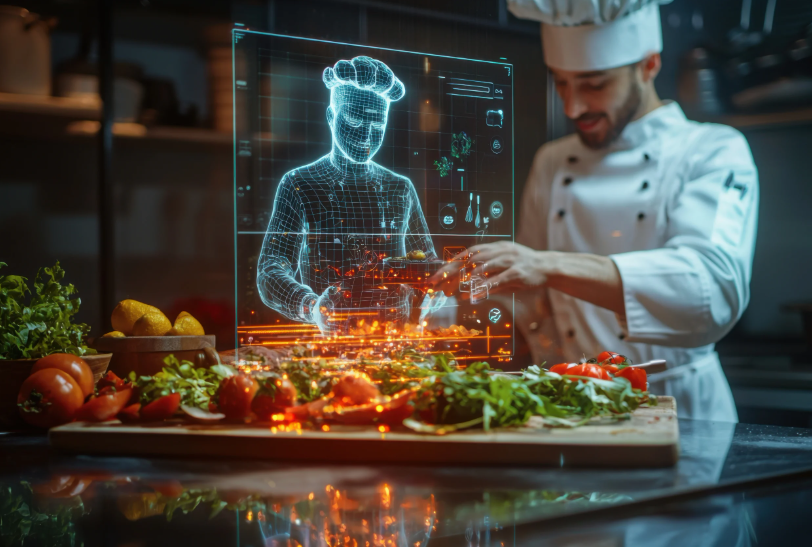
The modern restaurant industry is evolving rapidly, driven by innovation and efficiency. With rising customer expectations and the demand for faster, more accurate service, technology has become the backbone of successful operations. Smart kitchen systems are transforming how restaurants operate by integrating automation, data analytics, and connectivity to streamline workflows and improve food quality. From temperature-monitoring sensors to real-time order tracking, technology ensures precision in every step. These innovations are not just conveniences; they’re now essential for maintaining competitiveness. The ongoing digital transformation signals a new era where connected kitchens shape the future of hospitality.
Automation Is Redefining Efficiency
Automation is reshaping restaurant kitchens by replacing repetitive manual tasks with smart technology that improves speed and accuracy. Automation supports consistency and efficiency in modern operations. Automated fryers, robotic arms, and smart ovens reduce human error while maintaining quality standards, especially during peak service hours. These systems optimize cooking times and temperature settings, ensuring that every dish meets the same high-quality standard. Automation also extends to inventory management—smart sensors can alert managers when inventory levels are low, helping prevent shortages or waste. Moreover, integration between digital ordering systems and smart equipment ensures synchronized workflows, with each device communicating seamlessly. This coordination saves time and improves energy efficiency, allowing staff to focus on creativity and customer service. As automation continues to advance, it will not replace human roles but instead enhance them, enabling kitchens to operate faster, cleaner, and more reliably.
Connectivity Enhances Kitchen Collaboration
Connectivity lies at the heart of every smart kitchen revolution. Networked systems foster collaboration between front-of-house and back-of-house teams. Cloud-connected devices allow real-time communication between servers, chefs, and managers, reducing the delays and errors that often accompany manual communication. Orders are sent instantly to kitchen displays, where digital systems organize, prioritize, and update tasks as progress is made. This real-time coordination minimizes confusion and ensures smooth service flow. Advanced display technology also enhances visibility across multiple workstations, allowing teams to stay synchronized during high-volume hours. Many restaurants are now exploring network-powered Android kitchen displays for their flexibility, remote accessibility, and integration with other software tools. These connected systems provide real-time feedback and track performance metrics to identify bottlenecks and improve overall efficiency. Connectivity transforms kitchens from isolated spaces into unified ecosystems, with technology ensuring accuracy, teamwork, and fluid operations across every department.
Data Analytics Shapes Smarter Decisions
Data-driven insights have become one of the most powerful tools for restaurant management. Data analytics enhances decision-making and performance monitoring. Smart kitchen systems gather and analyze information from every process, from cooking times to equipment usage. Managers can use these insights to identify inefficiencies, forecast demand, and schedule staff accordingly. For example, analytics might show which menu items take the longest to prepare or when peak order times occur. This knowledge allows restaurants to plan, reduce waste, and allocate resources effectively.
Additionally, predictive analytics can anticipate maintenance needs, preventing equipment breakdowns. Over time, these data-driven improvements translate into higher productivity, lower operational costs, and greater consistency. The ability to turn raw information into actionable strategy is redefining how restaurant leaders think about daily operations. Data analytics transforms intuition into measurable results that drive long-term growth and stability.
See also: Company Broadcom Hock Vmwareharding Arstechnica
Sustainability Influences Smart Technology Adoption
Environmental consciousness has become a defining factor in modern business operations. Sustainability drives the adoption of smart kitchen technology. Today’s advanced systems are designed to conserve energy, water, and materials without compromising performance. Smart appliances automatically adjust their power usage based on workload, cutting down unnecessary consumption. Sensors detect leaks, monitor temperature fluctuations, and even track food waste, helping restaurants maintain compliance with environmental standards. Many solutions also integrate with renewable energy systems, supporting broader sustainability initiatives. These technologies not only reduce environmental impact but also lower utility costs. Restaurants that adopt eco-friendly technologies often see improved public perception, thereby appealing to environmentally conscious customers. The growing focus on sustainability proves that smart kitchens can balance profitability with responsibility. By aligning operational efficiency with environmental goals, modern kitchens are setting new benchmarks for how technology supports both business success and global well-being.
Artificial Intelligence Enhances Precision
Artificial intelligence (AI) has moved beyond theory into practical, everyday kitchen applications. AI-driven tools are revolutionizing restaurant management and culinary processes. Machine learning algorithms can analyze data to predict demand trends, helping chefs plan preparation schedules with remarkable accuracy. AI-powered cameras and sensors can detect food quality issues, such as spoilage or incorrect plating, ensuring that only top-quality dishes reach customers. In addition, smart assistants can optimize equipment settings in real time, adjusting heat or timing based on performance data. Some AI-integrated platforms even recommend menu adjustments by studying customer preferences and ingredient availability. This predictive approach minimizes waste while improving satisfaction. By integrating AI into kitchens, restaurants gain a competitive edge through precision, adaptability, and continuous learning. As AI continues to evolve, it will play an even greater role in decision-making, allowing businesses to innovate while maintaining consistency and high service standards.
Remote Management Expands Operational Control
One of the most valuable outcomes of digital transformation is remote accessibility. Remote monitoring allows managers to stay informed anytime, anywhere. Through cloud-based platforms, restaurant leaders can access performance data, temperature logs, and order histories directly from their smartphones or laptops. Real-time alerts notify them of potential issues—such as equipment malfunctions or unusual energy consumption—so they can act before disruptions occur. Remote access also enhances oversight across multi-location operations, allowing for centralized management and consistency. By maintaining visibility even off-site, owners can ensure that service standards remain high at all times. This technology fosters accountability and flexibility, especially for brands operating across different regions. Remote accessibility doesn’t just simplify management—it empowers leadership to make immediate, informed decisions, reducing downtime and improving reliability. The digital kitchen of today extends far beyond its physical walls, maintaining precision and control through continuous connectivity.
The Customer Experience Is Transformed
Technology doesn’t just reshape kitchen operations—it redefines how customers interact with restaurants. Smart kitchen systems elevate the dining experience. By improving order accuracy and reducing wait times, connected kitchens ensure consistent quality across every dish. Automation behind the scenes delivers faster service and fewer errors, enhancing customer trust. Transparent processes, such as live order tracking and smart kiosks, give guests greater control and engagement. In quick-service restaurants, digital displays and integrated POS systems ensure seamless order flow from the customer’s screen to the kitchen’s prep station. Meanwhile, data collected from customer feedback helps refine menus and promotions to match real-time demand. This cycle of improvement creates a smoother, more satisfying dining experience. The smart kitchen’s efficiency extends beyond the back-of-house, influencing how customers perceive value, reliability, and overall satisfaction in every meal served.
Smart kitchen technology is redefining restaurant operations from the inside out. Automation, AI, and data analytics are optimizing every step of food preparation, while sustainability and connectivity align innovation with responsibility. These systems reduce waste, enhance accuracy, and empower staff to perform at their highest potential. As customer expectations continue to rise, embracing technology becomes a necessity rather than a choice. Restaurants that adopt these intelligent solutions gain the agility to adapt to changing trends and sustain long-term success. Smart kitchens represent more than progress—they symbolize a new era of culinary efficiency, driven by intelligence, collaboration, and innovation.