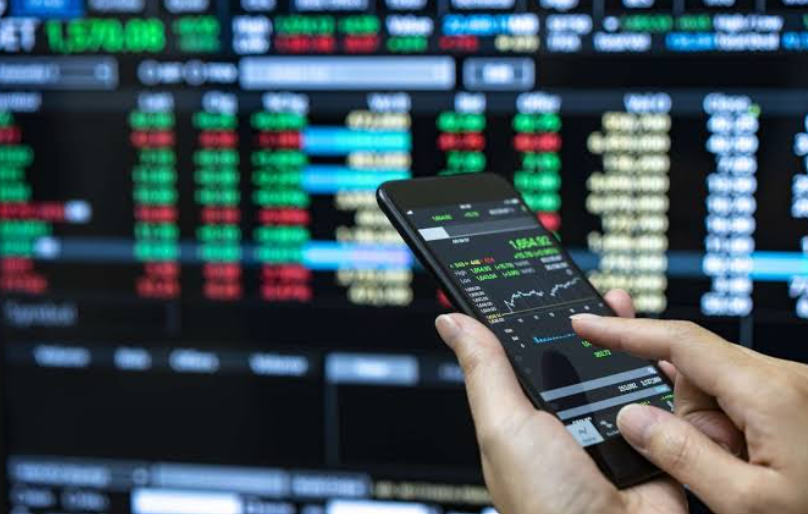
Every day, millions of trades are executed across the global foreign exchange market, yet the outcome varies dramatically from one trader to another. Some build a disciplined routine that delivers steady progress, while others struggle despite spending countless hours analyzing charts. The difference often has less to do with luck and far more to do with preparation, strategy, and choosing the right forex trading firm.
A successful trading experience is not measured by a single profitable trade but by the ability to make informed decisions, manage risks effectively, and grow consistently over time. Understanding the elements that contribute to long-term success can help traders build confidence in one of the world’s most dynamic financial markets.
Success Begins with a Strong Trading Foundation
Many aspiring traders focus exclusively on market opportunities, overlooking the importance of building a reliable foundation. Before placing the first trade, several essential factors deserve attention.
A successful trader typically develops:
- A clear understanding of market fundamentals.
- Realistic financial goals.
- A structured trading plan.
- Consistent learning habits.
- Emotional discipline.
Market Knowledge Shapes Better Decisions
Foreign exchange markets respond to a wide range of economic, political, and financial events. Interest rate announcements, inflation reports, employment data, and geopolitical developments all influence currency prices. Rather than reacting emotionally to sudden market movements, experienced traders analyze the broader picture.
They understand how macroeconomic indicators affect different currencies and adjust their strategies accordingly. Continuous education also plays an important role. Markets evolve constantly, making ongoing learning a necessity rather than an option.
Technology Has Become a Competitive Advantage
Trading technology has advanced significantly over the past decade. Modern platforms provide access to sophisticated analytical tools that were once available only to institutional investors. Reliable technology minimizes delays and allows traders to respond quickly when market conditions change.
Useful platform capabilities include:
- Real-time market data
- Advanced charting tools
- Multiple technical indicators
- Economic calendars
- Automated trading support
- Mobile accessibility
- Fast trade execution
Risk Management Separates Professionals from Beginners
One profitable trade does not define success. Protecting trading capital over hundreds of trades does. Successful traders understand that losses are inevitable. What matters is controlling those losses before they become significant.
Effective risk management often includes:
- Setting stop-loss orders.
- Defining position sizes carefully.
- Maintaining favorable risk-to-reward ratios.
- Avoiding overleveraging.
- Diversifying trading opportunities when appropriate.
These practices help traders remain active in the market even after temporary setbacks.
Emotional Discipline Often Determines Long-Term Results
Many trading mistakes occur not because of poor analysis but because emotions interfere with decision-making.
Fear may cause traders to exit profitable positions too early, while greed can encourage excessive risk-taking. Frustration after consecutive losses often leads to impulsive decisions that increase overall exposure.
Developing emotional discipline requires patience and consistency. Maintaining a trading journal, reviewing previous trades, and following predefined rules can significantly improve decision-making over time.
Strategy Matters More Than Constant Activity
Some traders mistakenly believe that placing more trades increases their chances of success. In reality, excessive trading often leads to higher costs and unnecessary risks.
A successful trading experience usually relies on a well-tested strategy rather than frequent market participation.
An effective strategy should clearly define:
- Entry conditions.
- Exit rules.
- Risk limits.
- Preferred currency pairs.
- Trading timeframes.
- Performance evaluation methods.
Having objective criteria reduces emotional decision-making and promotes consistency.
The Value of Choosing the Right Trading Environment
Even the most skilled trader benefits from working within a supportive ecosystem. A trustworthy forex trading firm provides more than market access. It creates an environment where traders can focus on analysis and execution with confidence.
Several qualities distinguish dependable firms:
- Transparent pricing
- Competitive spreads
- Secure trading infrastructure
- Responsive customer support
- Educational resources
- Reliable execution speeds
- Strong regulatory standards
These factors contribute to a smoother and more efficient trading experience.
Adaptability Keeps Traders Ahead of Changing Markets
Financial markets never remain static. Economic cycles shift, central bank policies evolve, and global events reshape investor sentiment. Successful traders avoid relying on a single market condition forever. Instead, they regularly evaluate their performance and refine their strategies based on changing circumstances.
Questions experienced traders often ask include:
- Is my strategy still performing effectively?
- Have market conditions changed?
- Are my risk parameters still appropriate?
- What lessons can I apply from recent trades?
This mindset encourages continuous improvement rather than short-term success.
Consistency Builds Sustainable Growth
Many people enter forex trading expecting immediate returns. Experienced professionals recognize that sustainable performance develops gradually. Consistency often comes from repeating sound processes rather than chasing extraordinary profits.
Daily habits that contribute to long-term success include:
- Reviewing market news.
- Following a trading plan.
- Recording completed trades.
- Analyzing mistakes objectively.
- Practicing disciplined risk management.
- Continuing professional education.
Small improvements made consistently often produce better results than occasional high-risk decisions.
Measuring Success Beyond Profit
While profitability remains an important objective, a successful trading experience involves much more than financial returns. Viewing success through a broader perspective helps traders remain focused even during periods of market volatility.
Experienced traders often evaluate success by considering:
- Consistency of execution.
- Quality of decision-making.
- Emotional control.
- Risk-adjusted performance.
- Continuous skill development.
- Confidence in following a structured process.
Conclusion
A rewarding forex trading experience is built on preparation, discipline, continuous learning, and effective risk management rather than short-term market wins. Traders who invest time in understanding market behavior, refining their strategies, and maintaining emotional control are better equipped to navigate changing market conditions with confidence.
Equally important is selecting a trading environment that supports informed decision-making and reliable execution. Firms such as ANAX Capital contribute to this experience by offering professional trading infrastructure, educational support, and market access designed for modern traders. Those looking for the best forex trading platform in the UAE should prioritize transparency, technology, and long-term reliability when making their decision.