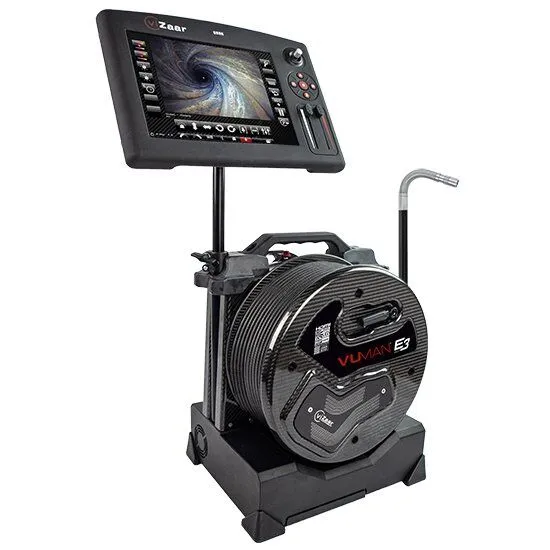
If you’ve ever browsed inspection tools online, you’ve probably seen the terms borescope and endoscope used almost interchangeably. In fact, some low-cost devices are marketed as both. At a glance, they look similar: a long tube or cable with a camera or optics at the tip. Many industrial users even start out with a medical-style “endoscope camera” before they learn about dedicated borescopes.
But while the two instruments share common roots, they are not the same – in design, regulation, or intended use. Understanding the difference matters for safety, image quality, and long-term reliability.
The common ground: what both tools are designed to do
Remote visual inspection in tight spaces
At the highest level, both borescopes and endoscopes are designed to solve the same core problem:
How do you see inside a space you can’t access directly, without cutting it open?
Both use some combination of lenses, fiber optics or miniature cameras, along with lighting, to provide a live view of internal areas. They may be rigid or flexible, and many can record images or video.
Because of these similarities, casual users often assume an “endoscope camera” they see online will work just as well for industrial inspections. That assumption can quickly fall apart in real-world environments such as aviation, power generation, or heavy manufacturing, where dedicated industrial equipment is designed to meet much tougher demands. If you look at how different sectors use remote visual inspection, the distinction becomes clearer, as shown in USA Borescopes’ overview of inspection-heavy industries.
See also: And Samsung Tvs Home Alliancepattison Tuohy
Key differences between borescopes and endoscopes
Intended use: industrial vs medical
The most important difference is application:
- Endoscopes are medical devices designed for examining the human (or animal) body. They must comply with strict healthcare regulations, sterility requirements and biocompatibility standards.
- Borescopes are engineered for industrial or technical inspection – engines, turbines, pipes, welds, castings, building cavities and more. They’re built to handle oils, fuels, chemicals, heat, rough handling and dirty environments.
Using a medical endoscope in an engine, or an industrial borescope inside a patient, is completely inappropriate. Each tool is optimised for its own world.
Design and materials
Because they live in different environments, borescopes and endoscopes use different materials and construction:
- Endoscopes focus on sterilisation, smooth surfaces and patient safety. They’re designed to be disinfected or used with sterile sheaths.
- Borescopes emphasise abrasion resistance, chemical resistance, rugged housings and durable probes. Many industrial video borescopes are water-, oil- and dust-resistant, with impact-resistant control units.
Industrial scopes may also feature interchangeable probes and accessories that would make no sense in a medical setting but are invaluable for maintenance and non-destructive testing. When those systems need support, specialist inspection equipment services are used to keep them working reliably in harsh conditions.
Optics, articulation and access
Although both tools may offer articulation (tip steering), small diameters and various lengths, the specific requirements differ:
- In medicine, ergonomics, patient comfort and extremely small diameters for specific procedures are key.
- In industry, users often prioritise longer reach, rugged articulation, compatibility with inspection ports and the ability to navigate complex internal geometries.
Modern industrial borescopes are also tuned for the surfaces and defects technicians need to see – like corrosion, pitting, foreign object damage or cracks inside metal components.
Why using the right tool matters
Safety and compliance
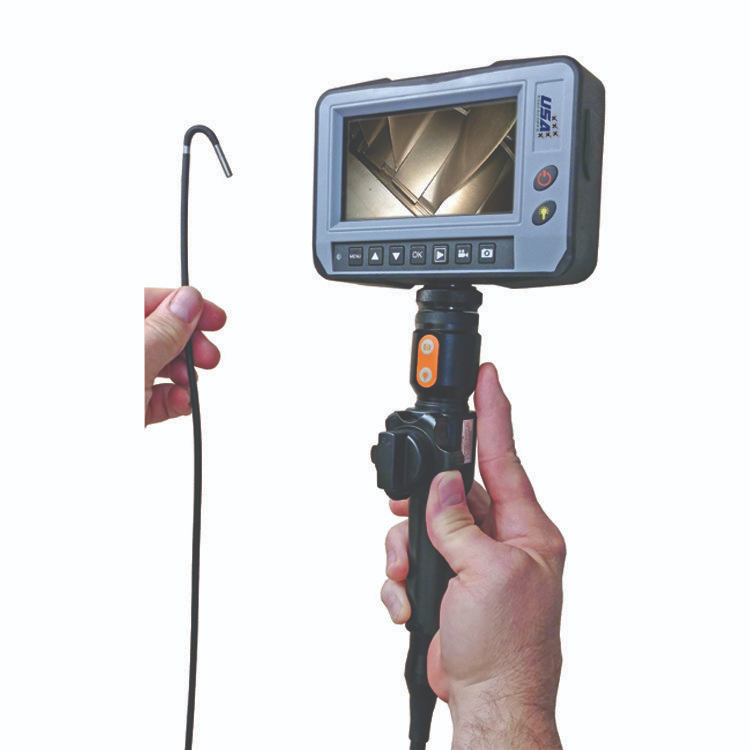
In medical environments, only approved medical devices are acceptable. But even on the industrial side, using the wrong type of scope can cause problems. A cheap consumer “endoscope camera” may not stand up to hot oil, vibration, chemicals or continuous use in a turbine or engine, and failures at the wrong moment can be costly.
Image quality and decision-making
Maintenance and inspection teams make real decisions based on what they see through a borescope:
- Does this turbine blade need to come out?
- Has this weld cracked or is it just surface discoloration?
- Is this blockage minor debris, or serious damage?
Reliable, high-quality imaging is essential. Industrial borescopes are designed with that in mind, whereas generic “endoscope cameras” are usually not.
Lifecycle and support
A key difference between a professional borescope and a budget endoscope-style gadget is the support behind it. Industrial users need:
- Spare parts and probe options
- Repair and calibration services
- Technical support and training
That kind of backup is standard when you work with a specialist industrial supplier, but rare in the consumer gadget space.
Choosing the right solution for your inspections
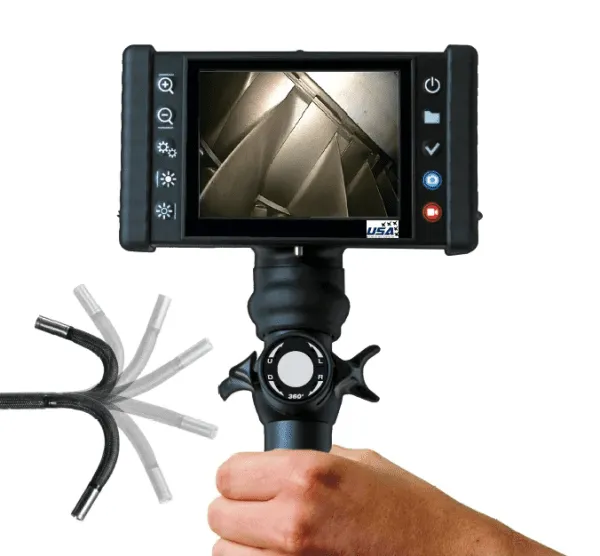
If you’re inspecting engines, turbines, plant equipment, pipelines, castings or structures, you’re firmly in borescope territory. A purpose-built industrial borescope is likely to deliver:
- Better durability in harsh environments
- More suitable probe configurations
- Higher image quality for metallic and industrial surfaces
- Access to ongoing support and service
USA Borescopes focuses specifically on remote visual inspection for industrial and commercial applications. Their product range, experience and customer base reflect that focus, and their team understands how to match borescopes to real-world inspection challenges rather than treating them as generic camera gadgets. You can get a sense of their background, expertise and approach on the company’s About Us page.
If you’re unsure whether your application calls for a particular type of borescope, or you’ve outgrown consumer-grade endoscope-style cameras, it’s worth speaking to an expert who works with industrial users every day. For tailored advice on equipment selection, applications and support options, contact USA Borescopes to discuss your inspection requirements.
About the Author
This guest post was written by a technical content specialist with experience in industrial inspection, NDT and maintenance workflows. They help equipment manufacturers and service providers explain complex technologies in clear, practical language so engineers, buyers and technicians can make confident decisions about the tools they rely on.