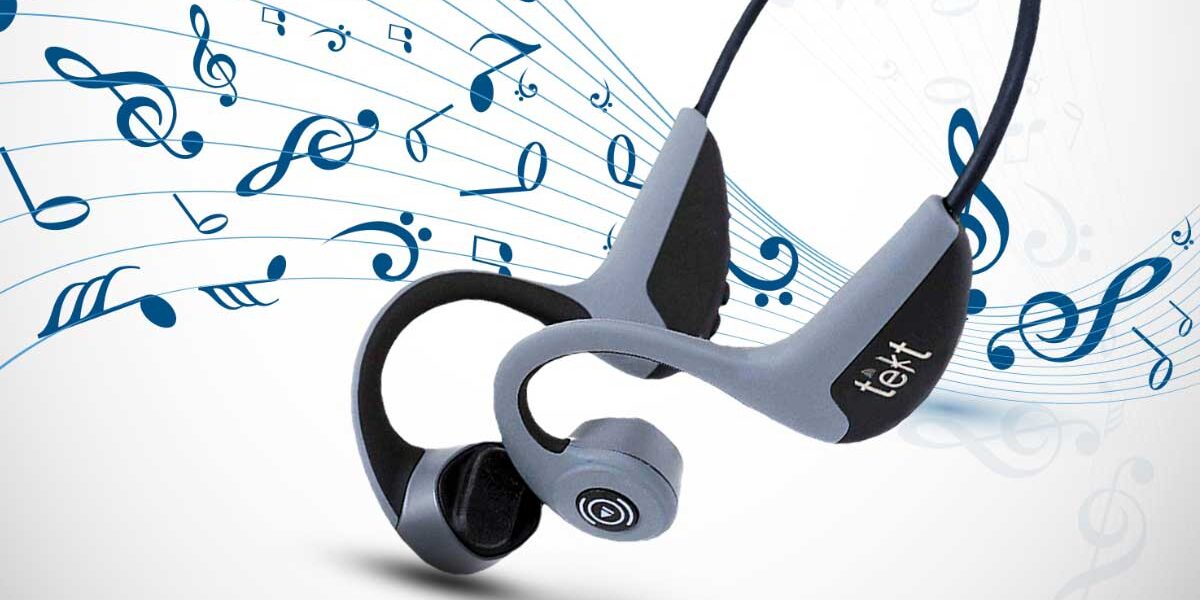
Headphones have come a long way since their inception, evolving from bulky analog devices into sleek, intelligent audio companions that integrate with our digital lifestyles. In 2026, headphones and earbuds are no longer just tools for listening—they are smart, wireless, and capable of much more than delivering sound. Understanding this evolution helps us appreciate the innovations that have shaped audio technology and gives insight into what the future may hold.
The Early Days: Analog Headphones
The first headphones appeared in the late 19th and early 20th centuries, designed primarily for telecommunication purposes. Early models were large, uncomfortable, and offered limited sound quality. They were mostly used by operators and radio enthusiasts. These analog headphones relied on simple electromagnetic drivers to convert electrical signals into sound, producing audio that was functional but far from high fidelity.
During this period, headphones were predominantly wired, connected directly to radios, telephones, or early audio equipment. The focus was on utility rather than comfort or audio quality. Materials were basic, often leather or metal, and the ear cups were bulky, making long-term wear uncomfortable. Despite their limitations, these early headphones laid the foundation for the modern listening experience.
The Rise of High-Fidelity Audio
As music and entertainment grew in popularity, so did the demand for better sound. By the mid-20th century, high-fidelity (hi-fi) headphones emerged, offering improved frequency response and clarity. Audio enthusiasts could finally hear details in recordings that had previously been lost.
Brands like Sennheiser, Sony, and Beyerdynamic began designing headphones specifically for audiophiles and studio professionals. These models featured larger drivers, better materials, and adjustable headbands to enhance comfort. Studio headphones became essential tools for music production, mixing, and broadcasting, emphasizing accuracy over amplification.
The transition to consumer hi-fi headphones also brought attention to design and ergonomics. Lightweight headbands, cushioned ear pads, and foldable designs made headphones more portable and user-friendly. During this era, headphones began evolving beyond telecommunication tools into lifestyle products.
The Walkman Era and Personal Audio
The 1980s marked a significant turning point with the introduction of portable audio devices like the Sony Walkman. Headphones became personal accessories, allowing users to carry their music anywhere. This era popularized the lightweight, on-ear, and in-ear designs that are still in use today.
During this period, the concept of private listening gained momentum. People could enjoy music in public without disturbing others, transforming social habits and influencing culture. Headphones became symbols of individuality and style, with various colors, shapes, and materials reflecting personal taste.
Wired to Wireless: The Bluetooth Revolution
The early 2000s ushered in a wave of wireless technology. Bluetooth allowed headphones to connect to devices without cumbersome wires, providing mobility and freedom of movement. Early Bluetooth headphones often faced limitations such as low battery life, signal latency, and lower audio quality, but they paved the way for more advanced wireless solutions.
Advancements in Bluetooth technology, including higher data transfer rates and better codecs like aptX and AAC, improved sound quality to near wired levels. Noise-cancellation technology, initially a feature for premium over-ear headphones, also became widely available, allowing users to block out unwanted environmental sounds while commuting or traveling.
Wireless headphones transformed the way we consume media, making them ideal companions for workouts, travel, and on-the-go lifestyles. The convenience of cord-free listening became a major selling point, fueling demand for sleek, ergonomic, and highly portable designs.
The Smart Headphone Era
In the late 2010s and early 2020s, headphones evolved from passive audio devices into smart gadgets. Integrating artificial intelligence, sensors, and software, smart headphones could now adapt to user behavior, enhance sound quality, and offer interactive experiences.
Features such as adaptive noise cancellation, transparency modes, and spatial audio became mainstream. Smart headphones could detect when the user removed them, pause music automatically, and even provide voice assistant integration. Some models offered health tracking, measuring steps, posture, and even heart rate.
The rise of true wireless earbuds exemplified the peak of convenience and smart functionality. Tiny earbuds with advanced features became capable of delivering rich audio, adaptive ANC, and integration with smartphones and AI assistants, all while being compact and highly portable.
Advances in Audio Technology
Modern headphones focus not only on convenience but also on enhancing the listening experience. Some key advancements include:
1. High-Resolution Audio Support: Many headphones now support high-resolution audio formats, delivering greater detail, depth, and clarity compared to standard compressed formats.
2. Spatial Audio and 3D Sound: Technologies such as Dolby Atmos and Sony 360 Reality Audio provide immersive, three-dimensional soundscapes, creating a concert-like experience for movies, gaming, and music.
3. Adaptive Noise Cancellation: AI-powered ANC adjusts dynamically to the user’s environment, blocking out city noise while allowing important sounds like announcements or conversations.
4. Personalization: Some headphones use software to analyze hearing profiles and adjust audio output to suit individual preferences, ensuring optimal clarity and comfort.
5. Battery and Charging Innovations: Modern headphones, especially wireless models, now offer long battery life, fast charging, and even wireless charging capabilities.
The Impact of Headphones on Lifestyle and Work
The evolution of headphones has significantly influenced daily life. For commuters and travelers, noise-canceling headphones provide quiet spaces in otherwise noisy environments. Fitness enthusiasts rely on wireless earbuds with secure fit and sweat resistance for workouts. Professionals use high-fidelity headphones for editing, mixing, and productivity.
Smart headphones also contribute to digital wellness. Transparency modes and spatial audio features allow users to remain aware of their surroundings while enjoying immersive audio. Voice assistants enable hands-free operation, improving multitasking and efficiency. In essence, headphones have become multifunctional devices that enhance both entertainment and productivity.
See also: Revolvertech .Com: Revolvertech.Com: the Future of Digital Technology
Future Trends
Looking ahead, the future of headphones promises even more innovation. Artificial intelligence will play a larger role, offering smarter adaptive sound profiles, contextual awareness, and real-time translation. Biometric sensors may become standard, providing continuous health monitoring.
Battery technology will continue to improve, with longer life, faster charging, and smaller form factors. Wireless communication protocols will further reduce latency, enabling seamless experiences for gaming, virtual reality, and augmented reality applications.
Designs will also evolve, prioritizing sustainability and ergonomics. Materials that are lightweight, recyclable, and comfortable for prolonged use will become standard. Foldable, modular, or convertible headphones may emerge to meet diverse user needs.
Conclusion
From the bulky analog headphones of the early 20th century to today’s smart, AI-driven wireless earbuds, headphone technology has undergone a remarkable transformation. Each stage—from hi-fi audio and portable Walkman-era headphones to Bluetooth connectivity and intelligent, adaptive devices—has enhanced how we listen, interact, and integrate audio into our daily lives.
Modern headphones are no longer just audio devices; they are versatile, intelligent companions that improve productivity, wellness, and entertainment. Understanding their evolution helps us appreciate the technology in our hands and anticipate the innovations yet to come. In 2026 and beyond, headphones will continue to evolve, blending convenience, smart functionality, and immersive audio to redefine the way we experience sound.