Introduction
Selecting the right indoor armored fiber optic cable is one of the most critical decisions in designing a high-performance, stable, and future-ready network infrastructure. Whether you are building a data center, upgrading enterprise connectivity, or deploying high-speed communication systems in commercial buildings, the quality and type of fiber cable directly impacts speed, durability, and long-term maintenance costs.
In today’s competitive networking environment, businesses cannot afford signal loss, frequent replacements, or inefficient installations. This is why understanding how to evaluate and choose the right indoor armored fiber optic cable is essential for engineers, IT managers, and procurement specialists.
This comprehensive guide explains everything you need to know from cable structure and armor types to performance standards, installation environments, and buying considerations so you can confidently choose the best solution for your project.
What is an Indoor Armored Fiber Optic Cable?
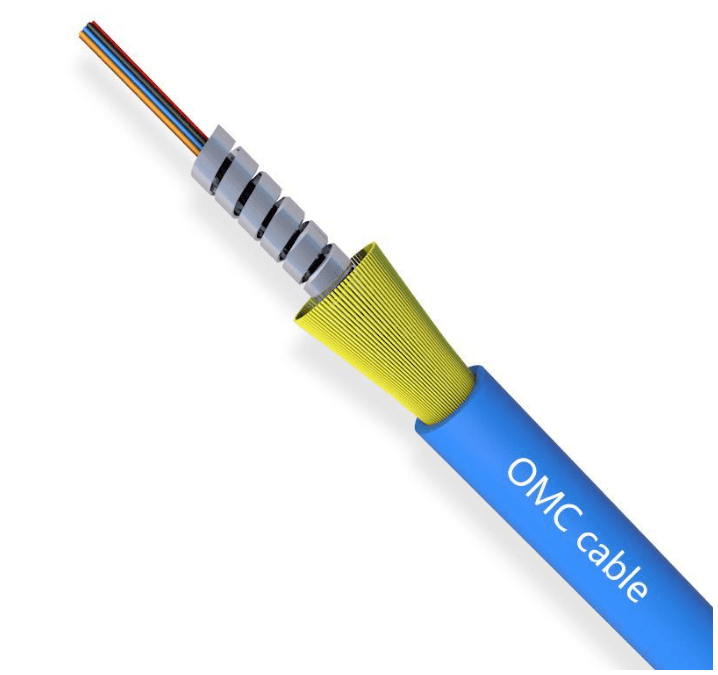
An indoor armored fiber optic cable is a specially designed fiber optic cable that includes a protective metallic layer or reinforced structure to enhance durability while being used in indoor environments.
Unlike standard indoor cables, armored versions provide:
- Extra protection against physical damage
- Resistance to rodent attacks
- Improved crush resistance
- Better performance in high-traffic or industrial environments
The indoor armored fiber optic cable is widely used in environments where standard fiber cables may be exposed to mechanical stress, sharp bends, or accidental impacts.
Why Choose Indoor Armored Fiber Optic Cable?
Choosing an indoor armored fiber optic cable ensures long-term reliability and network stability. Here are the key benefits:
1. Enhanced Mechanical Protection
Armored layers protect the delicate fiber core from crushing, bending, and external pressure, especially in tight installation spaces.
2. Rodent Resistance
In buildings where rodents are a concern, the armored layer prevents cable damage and reduces maintenance costs.
3. Longer Lifespan
Because of its reinforced construction, the indoor armored fiber optic cable lasts significantly longer than non-armored alternatives.
4. Stable Signal Transmission
Reduced physical interference ensures consistent signal quality and minimal attenuation.
5. Suitable for Harsh Indoor Environments
Ideal for factories, warehouses, tunnels, basements, and industrial facilities.
Types of Indoor Armored Fiber Optic Cable
Understanding the types available helps in selecting the right indoor armored fiber optic cable for your application.
1. Steel Tape Armored Cable
This type uses a laminated steel tape layer for enhanced crush resistance. It is commonly used in general indoor networking projects.
2. Steel Wire Armored Cable
Provides stronger mechanical protection using interlocking steel wires. Ideal for high-risk environments.
3. Corrugated Steel Tape Armored Cable
Offers flexibility along with strong protection, making it suitable for complex indoor routing systems.
4. Hybrid Armored Designs
Combine multiple reinforcement materials for specialized industrial or enterprise applications.
Each type of indoor armored fiber optic cable serves different installation requirements, depending on risk level and infrastructure design.
Key Factors to Consider When Choosing Indoor Armored Fiber Optic Cable
Selecting the best cable requires evaluating several technical and environmental factors.
1. Installation Environment
Assess where the cable will be installed:
- Office buildings → moderate protection required
- Data centers → high-density and precision performance
- Industrial plants → maximum durability needed
The environment determines the required level of armor protection in your indoor armored fiber optic cable selection.
2. Fiber Type (Single-mode vs Multimode)
- Single-mode fiber: Best for long-distance, high-speed transmission
- Multimode fiber: Suitable for short-distance, high-bandwidth applications
Choosing the correct fiber type ensures optimal performance of your indoor armored fiber optic cable system.
3. Mechanical Strength Requirements
If the cable is exposed to heavy foot traffic, machinery, or tight conduits, a stronger armored structure is essential.
Look for:
- Crush resistance rating
- Tensile strength
- Bend radius tolerance
4. Fire Safety Standards
Indoor installations must comply with fire safety regulations such as:
- LSZH (Low Smoke Zero Halogen) jackets
- Flame-retardant coatings
A compliant indoor armored fiber optic cable ensures safety in case of fire emergencies.
5. Cable Diameter and Flexibility
A thicker armored cable offers better protection but may reduce flexibility. Always balance durability with ease of installation.
6. Compatibility with Network Equipment
Ensure the cable matches:
- Connectors (LC, SC, ST)
- Switches and transceivers
- Patch panels
Compatibility ensures seamless integration of the indoor armored fiber optic cable into your network.
Installation Best Practices
Proper installation plays a key role in maximizing the performance of your indoor armored fiber optic cable.
1. Avoid Sharp Bends
Excessive bending can still damage internal fibers despite armor protection.
2. Use Proper Cable Management Systems
Cable trays, conduits, and organizers prevent stress and tangling.
3. Maintain Minimum Bend Radius
Follow manufacturer guidelines to avoid signal loss.
4. Avoid Over-Tensioning
Pulling the cable too tightly during installation may reduce lifespan.
5. Label and Document Cable Runs
This helps in maintenance and troubleshooting.
Common Applications of Indoor Armored Fiber Optic Cable
The indoor armored fiber optic cable is widely used across multiple industries:
- Data centers and server rooms
- Enterprise LAN networks
- Industrial automation systems
- Telecommunications rooms
- Smart buildings and IoT infrastructures
- Security and surveillance systems
Its versatility makes it a preferred choice for high-performance indoor networking.
See also: The Future of Bedbug Control: New Technologies
Advantages Over Non-Armored Fiber Cables
Compared to standard indoor fiber cables, armored versions offer:
- Higher durability in demanding environments
- Better protection against accidental damage
- Reduced maintenance and replacement costs
- Improved long-term ROI
While non-armored cables are cheaper, the indoor armored fiber optic cable provides superior reliability and protection, especially in mission-critical systems.
Cost Considerations
The cost of an indoor armored fiber optic cable depends on:
- Type of armor (steel tape vs steel wire)
- Fiber count (2-core, 12-core, etc.)
- Single-mode vs multimode
- Brand and manufacturing quality
Although initial costs are higher, the long-term savings from reduced maintenance make it a cost-effective investment.
Future Trends in Indoor Armored Fiber Optics
The fiber optic industry is evolving rapidly. Future developments include:
- Lighter armored materials for easier installation
- Higher bandwidth capacity (400G and beyond)
- Smart fiber monitoring systems
- Eco-friendly LSZH materials
The indoor armored fiber optic cable will continue to play a key role in next-generation communication networks.
Conclusion
Choosing the right indoor armored fiber optic cable is essential for ensuring long-term network stability, high-speed data transmission, and protection against physical damage. By evaluating factors such as installation environment, fiber type, mechanical strength, and safety standards, you can select the most suitable cable for your project.
A well-planned fiber infrastructure not only improves performance but also reduces long-term operational costs. Whether you’re building a data center or upgrading enterprise connectivity, investing in the right armored fiber solution guarantees reliability and future scalability.
FAQs
1. What is an indoor armored fiber optic cable used for?
It is used to protect fiber optic lines in indoor environments where cables may face physical stress or damage risks.
2. Is armored fiber optic cable necessary indoors?
Yes, especially in industrial or high-traffic environments where standard cables may be easily damaged.
3. What is the difference between armored and non-armored fiber cables?
Armored cables include a protective layer for extra durability, while non-armored cables are more flexible but less protected.
4. Can indoor armored fiber optic cable be bent easily?
It has a defined bend radius; while flexible, it should not be bent sharply to avoid signal loss.
5. Which is better: steel tape or steel wire armored cable?
Steel tape is suitable for general use, while steel wire provides stronger protection for harsh environments.
6. Does armored fiber cable affect internet speed?
No, if properly installed, it maintains full signal performance without speed loss.