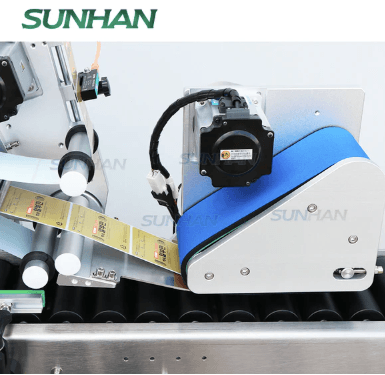
In modern production and packaging environments, a vial labeling machine has become an essential piece of equipment for ensuring speed, accuracy, and consistency. Whether in food and beverage, pharmaceuticals, cosmetics, or logistics, businesses rely on advanced labeling systems to maintain branding standards and regulatory compliance.
This article explores everything you need to know about choosing the best labeling machine for industrial and commercial applications, including types, benefits, features, and buying considerations. It is designed to help manufacturers, packaging companies, and distributors make informed decisions that improve productivity and reduce operational costs.
Introduction to Labeling Machine Technology
A labeling machine is a specialized industrial device used to apply labels onto products, containers, bottles, cartons, or packages. These machines can operate manually, semi-automatically, or fully automatically depending on production scale and requirements.
In today’s competitive market, manual labeling is no longer efficient for large-scale production. Automated systems ensure uniform label placement, reduce human error, and significantly increase throughput.
Industries now demand high-speed, precision-based labeling solutions that integrate seamlessly with production lines. This has led to the development of advanced labeling systems with smart sensors, PLC controls, and AI-assisted calibration features.
Importance of Labeling Machine in Modern Industry
The role of a labeling machine goes far beyond simply attaching labels. It directly impacts:
- Product branding and visibility
- Regulatory compliance (especially in pharmaceuticals and food packaging)
- Supply chain tracking and barcoding accuracy
- Consumer trust and product authenticity
A poorly labeled product can damage brand reputation and lead to compliance issues. That is why investing in a high-quality labeling system is critical for long-term business success.
Types of Labeling Machines for Industrial Use
Understanding different types of labeling systems helps in selecting the right solution for your production needs.
1. Automatic Labeling Machine
An automatic system is ideal for high-volume production lines. It integrates with conveyor systems and applies labels without manual intervention.
Key advantages:
- High-speed labeling
- Minimal human labor
- Consistent accuracy
- Suitable for mass production
2. Semi-Automatic Labeling Machine
A semi-automatic labeling machine requires partial operator involvement. It is commonly used in medium-scale industries.
Key advantages:
- Lower cost than fully automatic systems
- Flexible for different product sizes
- Easy operation and maintenance
3. Manual Labeling Machine
Manual systems are suitable for startups or small businesses with limited production requirements.
Key advantages:
- Budget-friendly
- Portable and simple
- Ideal for low-volume production
4. Bottle Labeling Machine
A bottle-specific labeling system is widely used in beverage, cosmetic, and pharmaceutical industries. It ensures precise label placement on cylindrical containers.
Applications include:
- Water bottles
- Juice bottles
- Syrup containers
- Cosmetic jars
5. Wrap-Around Labeling Machine
This type applies labels around the full circumference of a product, ensuring 360-degree branding visibility.
It is commonly used for:
- Beverage bottles
- Chemical containers
- Household products
Key Features of a High-Quality Labeling Machine
When selecting a labeling machine, it is important to evaluate its features to ensure long-term performance and efficiency.
1. High Precision Labeling
Modern machines are equipped with sensors and alignment systems that ensure accurate label placement without wrinkles or misalignment.
2. Speed and Efficiency
Industrial systems can label hundreds or even thousands of units per hour, significantly improving production output.
3. Adjustable Settings
Flexibility is crucial. A good machine should support multiple product sizes and label types.
4. Durable Construction
Stainless steel frames and industrial-grade components ensure durability and resistance to wear and tear.
5. Smart Control System
PLC touchscreens and digital interfaces make operation simple and allow real-time adjustments.
6. Compatibility
A modern labeling machine should be compatible with different label materials such as paper, film, and transparent labels.
Applications of Labeling Machines Across Industries
Labeling systems are widely used in various industries due to their versatility and efficiency.
Food and Beverage Industry
Used for labeling bottles, jars, and packaged foods with nutritional information and branding.
Pharmaceutical Industry
Ensures compliance with strict labeling regulations, including dosage instructions and barcodes.
Cosmetics Industry
Applies elegant and precise labels to enhance product presentation.
Chemical Industry
Used for safety labels, warnings, and product identification.
Logistics and Warehousing
Essential for barcode labeling and inventory tracking systems.
Benefits of Using a Labeling Machine
Investing in a labeling machine provides several operational and financial advantages:
1. Increased Productivity
Automation reduces manual labor and increases output speed significantly.
2. Cost Efficiency
Although initial investment may be high, long-term savings on labor and errors make it highly cost-effective.
3. Improved Accuracy
Machines eliminate human error, ensuring consistent labeling quality.
4. Enhanced Brand Image
Perfectly aligned labels improve product presentation and customer perception.
5. Regulatory Compliance
Ensures accurate labeling of ingredients, batch numbers, and safety instructions.
How to Choose the Best Labeling Machine
Selecting the right system depends on several critical factors:
1. Production Volume
High-volume industries should invest in fully automatic systems, while small businesses may prefer semi-automatic options.
2. Product Type
Bottle shape, size, and material play a major role in selecting the correct machine type.
3. Label Type
Different machines support different label materials such as self-adhesive, shrink sleeve, or wrap-around labels.
4. Budget Considerations
Cost varies significantly depending on automation level and features.
5. Maintenance and Support
Choose a machine with easy maintenance and reliable after-sales service.
Future Trends in Labeling Machine Technology
The labeling machine industry is evolving rapidly with technological advancements.
Smart Automation
Integration with IoT systems allows remote monitoring and control of production lines.
AI-Based Label Detection
Artificial intelligence improves accuracy by detecting misaligned or missing labels.
Eco-Friendly Labeling
Sustainable labeling materials and energy-efficient machines are becoming more popular.
High-Speed Precision Systems
Next-generation machines are designed for ultra-fast labeling without compromising accuracy.
Common Mistakes to Avoid When Buying a Labeling Machine
- Choosing the wrong machine type for production scale
- Ignoring compatibility with product packaging
- Overlooking maintenance requirements
- Focusing only on price instead of long-term performance
- Not considering future scalability
Avoiding these mistakes ensures better investment returns and smoother production operations.
Maintenance Tips for Long-Term Performance
Proper maintenance ensures the durability and efficiency of your labeling machine:
- Regular cleaning of rollers and sensors
- Periodic software updates for digital systems
- Lubrication of moving parts
- Routine inspection of electrical components
- Timely replacement of worn-out parts
Conclusion
A labeling machine is a critical investment for any business involved in manufacturing, packaging, or distribution. It enhances productivity, ensures accuracy, and strengthens brand identity across competitive markets.
From small startups to large-scale industrial plants, choosing the right labeling system can significantly impact operational efficiency and product quality. By understanding machine types, features, and applications, businesses can make informed decisions that support long-term growth and success.
Frequently Asked Questions (FAQs)
1. What is a labeling machine used for?
A labeling machine is used to apply labels on products, containers, bottles, or packages in a fast and accurate manner.
See also: Rapidhomedirect .Com: Rapidhomedirect.Com: a Platform for Home Services
2. What industries use labeling machines?
Industries such as food and beverage, pharmaceuticals, cosmetics, chemicals, and logistics widely use labeling systems.
3. What is the difference between automatic and semi-automatic labeling machines?
Automatic machines operate without human intervention, while semi-automatic systems require partial manual input.
4. Can a labeling machine handle different label sizes?
Yes, most modern machines are adjustable and can handle various label sizes and shapes.
5. How do I maintain a labeling machine?
Regular cleaning, lubrication, software updates, and part inspections help maintain optimal performance.
6. Is investing in a labeling machine cost-effective?
Yes, it reduces labor costs, improves accuracy, and increases production efficiency, making it highly cost-effective in the long run.