The decision between utilizing a massive online print platform and a traditional local print shop is a pivotal crossroads for modern e-commerce brands. As digital storefronts scale, their physical touchpoints, such as packaging, inserts, and promotional materials, become essential components of the customer experience. This guide explores the intricate details of cost, quality, and logistical efficiency to help you determine which path provides the highest return on investment for your specific business model.
Table of Contents
1. The Evolution of Print Procurement for E-commerce
2. Analyzing the Cost Structure of Online vs Local Printing
3. Quality Control and Material Selection
4. Turnaround Times and Logistical Reliability
5. The Importance of Personalized Service and Consultation
6. Sustainability and Environmental Impact
7. Scalability and Integration for Growing Brands
8. Technology and User Experience in Ordering
9. Navigating the HelloPrint vs local print shops debate for maximum value
10. Final Verdict for Your Brand Strategy
The Evolution of Print Procurement for E-commerce
The landscape of professional printing has undergone a radical transformation over the last decade. Previously, e-commerce businesses were limited to local vendors who managed small to medium runs with a high degree of manual oversight. Today, the rise of global networks and automated production has introduced a new level of competition.
E-commerce brands now require more than just ink on paper. They need a partner that understands the fast-paced nature of digital retail, where product launches happen overnight and seasonal shifts require immediate collateral. The choice between a localized approach and an expansive network like HelloPrint often comes down to how much weight a brand places on automated efficiency versus high-touch craftsmanship.
Analyzing the Cost Structure of Online vs Local Printing
Price is frequently the primary driver in procurement decisions, but the true cost of print extends far beyond the initial quote. Online platforms leverage economies of scale that are simply unattainable for independent shops. By batching thousands of orders onto massive press sheets, these platforms drastically reduce the cost per unit for standard items like business cards, flyers, and standard mailers.
Local print shops operate on a different financial model. Their overhead is spread across fewer jobs, which often leads to higher unit prices for low-volume orders. However, local shops frequently waive shipping fees if you can pick up the order yourself, and they may offer more flexibility on custom quotes that do not fit into the rigid pricing tiers of an online portal. For an e-commerce brand, the value is found in the balance between the low base price of a large network and the lack of hidden shipping or setup fees at a local level.
Quality Control and Material Selection
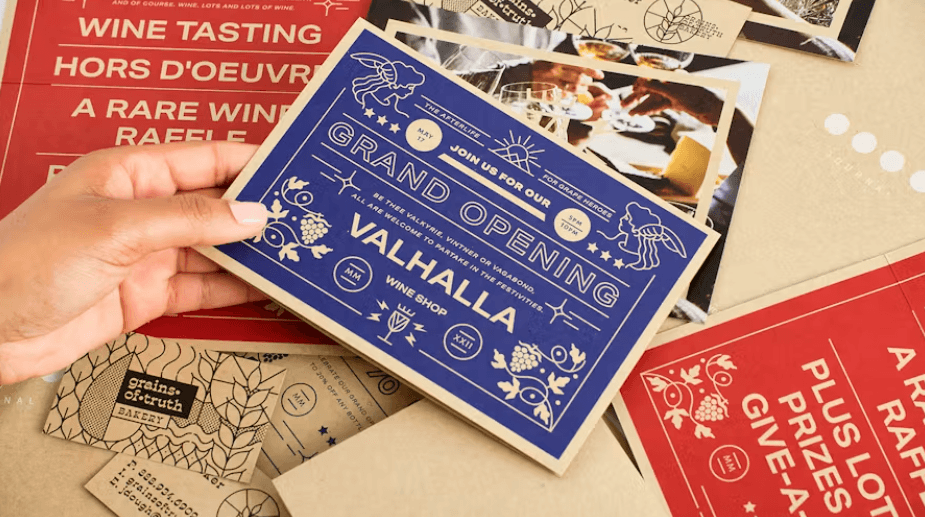
When you walk into a local print shop, you can feel the paper stocks and see the ink density in person before the job runs. This tactile feedback is a significant advantage for brands that prioritize sensory branding. Local printers often have a curated selection of specialty papers and can offer unique finishes like letterpress or custom foil stamping that require manual calibration.
In contrast, large online providers standardize their offerings to maintain speed. While the quality is consistently high for standard CMYK printing, you may find fewer options for ultra-premium or unconventional materials. However, the sophisticated technology used by HelloPrint ensures that color reproduction remains remarkably consistent across different product categories, which is vital for maintaining brand integrity across a diverse range of marketing assets.
Turnaround Times and Logistical Reliability
Speed is the currency of e-commerce. If a brand is launching a flash sale, they cannot afford a two-week delay on promotional inserts. Local shops are often faster for small, simple jobs because the transit time is effectively zero. If a mistake happens, you can often drive to the shop and have it corrected the same afternoon.
Large online networks, however, have optimized their logistics to a science. They utilize multiple production hubs to ensure that if one facility is at capacity, another can take the load. This redundancy makes them incredibly reliable for high-volume needs. When comparing HelloPrint vs local print shops, the winner in this category depends on your proximity to the printer and the complexity of the logistics involved in your distribution.
The Importance of Personalized Service and Consultation
There is an undeniable value in having a dedicated account manager who knows your brand colors by heart. Local printers act as consultants, often catching errors in bleeds or margins before the job hits the press. This human element can save a brand thousands of dollars in wasted materials and reprinting costs.
Online platforms have made great strides in this area by implementing automated pre-flight checks and AI-driven design assistants. While you might not have a face-to-face meeting, the efficiency of a digital dashboard allows for rapid adjustments and easy reordering. For a brand that is comfortable managing its own files and understands print specifications, the streamlined nature of an online platform is often preferable to the back-and-forth of traditional email communication.
Sustainability and Environmental Impact
Modern consumers are increasingly conscious of the environmental footprint of the brands they support. Local printing is often perceived as more sustainable because it reduces the carbon emissions associated with long-distance shipping. Furthermore, local printers are more likely to use recycled stocks sourced from regional paper mills.
Conversely, large-scale print networks have the capital to invest in the latest eco-friendly technology, such as waterless printing presses and soy-based inks, which are often more efficient than the older equipment found in smaller shops. Many online leaders have also committed to carbon-neutral shipping and reforestation programs, providing a different but equally valid path toward corporate social responsibility.
See also: Navigating Corporate Finance in a Global Business Hub
Scalability and Integration for Growing Brands
As an e-commerce brand grows from ten orders a day to ten thousand, its printing needs will evolve. A local shop may struggle to keep up with massive surges in volume or may lack the infrastructure to ship to multiple international locations simultaneously.
Large online platforms are built for this kind of scale. They offer API integrations that can connect directly to your e-commerce store, automating the process of printing and shipping marketing materials. This level of technical integration is a significant value add for brands looking to minimize manual administrative tasks.
Technology and User Experience in Ordering
The interface through which you order your print products can significantly impact your team’s productivity. Local shops often rely on manual quoting and file transfers via email or FTP sites, which can be clunky and prone to version control issues.
Online platforms have invested heavily in user experience. Their websites are designed to be intuitive, offering instant pricing, real-time tracking, and digital archives of all past designs. The convenience of being able to place an order at midnight and receive an instant confirmation is a major advantage for the busy e-commerce entrepreneur.
Navigating the HelloPrint vs local print shops debate for maximum value
To truly maximize value, many e-commerce brands adopt a hybrid strategy. They use local shops for high-end, bespoke projects where physical collaboration is necessary, such as luxury packaging for a limited edition product. For the bulk of their everyday needs, like shipping labels, standard box inserts, and bulk promotional flyers, they turn to the efficiency of a large-scale provider.
In the ongoing discussion of HelloPrint vs local print shops, the better value is often found in the provider that reduces the most friction in your specific workflow. If your team spends hours every week managing print vendors, the automation provided by a platform like HelloPrint can save more in labor costs than you would ever save on the unit price of the paper itself.
Strategic Considerations for E-commerce Leaders
1. Evaluate your annual print volume and categorize it by complexity.
2. Determine the cost of your team’s time spent on print procurement.
3. Assess the importance of specialized finishes versus standard high-quality output.
4. Consider the geographic distribution of your customers and how shipping costs factor into the total price.
The Future of Physical Branding in a Digital World
The choice between a local artisan and a digital powerhouse is not just about the bottom line; it is about how you want your brand to exist in the physical world. As e-commerce continues to dominate the retail landscape, the unboxing experience has become the new storefront. Every piece of paper included in a package is an opportunity to build loyalty and drive repeat purchases.
For many growing businesses, the accessibility and global reach of HelloPrint provide the necessary infrastructure to compete with larger retailers. By leveraging the power of a vast network, e-commerce brands can maintain professional standards without the need for a massive internal procurement department.
Ultimately, the best value is found where quality meets convenience. Whether you choose the personalized touch of the shop down the street or the high-tech efficiency of a digital leader, the goal remains the same: creating a tangible connection with your customer that transcends the digital screen. By carefully weighing the factors of cost, speed, and service, you can build a print strategy that supports your brand’s growth and resonates with your audience for years to come.