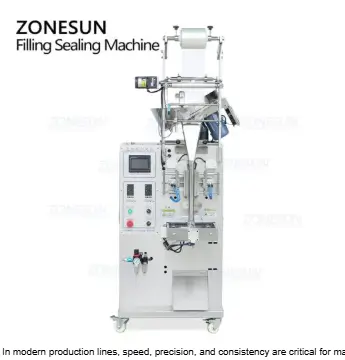
In modern production lines, speed, precision, and consistency are critical for maintaining competitiveness. One of the most essential technologies supporting these goals is the automatic weighing filling machine. Industries dealing with powders, granules, seeds, chemicals, food products, and pharmaceuticals rely heavily on accurate filling systems to reduce waste, ensure product quality, and improve packaging efficiency.
The demand for automated filling solutions has increased significantly due to rising production volumes and strict quality standards. An industrial weighing filling machine plays a vital role in achieving high-speed packaging while maintaining exact weight control for every unit. This not only improves operational efficiency but also strengthens brand reliability in the market.
This article explores the structure, working principle, benefits, applications, and selection criteria of industrial weighing filling systems, along with their future in smart manufacturing.
What is a Weighing Filling Machine?
A weighing filling machine is an automated packaging system designed to fill products based on precise weight measurements rather than volume estimation. Unlike volumetric fillers, these machines ensure each package contains an exact quantity, reducing overfilling and underfilling errors.
The system typically integrates advanced load cell sensors, digital controllers, and automatic feeding mechanisms to achieve accuracy and speed simultaneously. Industries prefer this technology because it ensures uniformity, especially when dealing with high-value or regulated products.
Key components include:
- Load cell weighing system
- Product hopper or storage tank
- Feeding mechanism (vibration or screw system)
- Control panel with programmable settings
- Filling nozzle or discharge unit
Working Principle of Weighing Filling Machine
The operation of an industrial weighing filling machine is based on real-time weight measurement and automatic control. The process is structured in multiple stages:
1. Product Feeding
Raw material is stored in a hopper and gradually fed into the weighing system using controlled vibration or screw conveyors.
2. Weight Measurement
The load cell continuously measures the weight of the product being dispensed. The system is highly sensitive, ensuring even minor variations are detected.
3. Controlled Filling
Once the target weight is reached, the system automatically stops or slows down the flow to avoid overfilling.
4. Final Discharge
The filled product is transferred into packaging bags, containers, or pouches.
5. Reset Cycle
The system resets and prepares for the next filling cycle, maintaining continuous production flow.
This automated loop ensures precision and consistency in every cycle, making the machine highly reliable for large-scale production environments.
See also: Connecting Businesses with Reliable Display Solutions
Types of Weighing Filling Machines
Different industries require different configurations of filling systems. Below are the most common types:
1. Semi-Automatic Weighing Filling Machine
This type requires partial human involvement, usually for placing containers or initiating cycles. It is ideal for small to medium-scale businesses.
2. Fully Automatic Weighing Filling Machine
A fully automated system handles feeding, weighing, and filling without manual intervention. It is widely used in large production plants.
3. Multi-Head Weighing Filling Machine
Designed for high-speed operations, this system uses multiple weighing heads to increase throughput while maintaining accuracy.
4. Auger-Type Weighing Filling Machine
Best suited for powders such as flour, milk powder, and chemicals. It uses a screw mechanism for precise dosing.
5. Vibratory Weighing Filling Machine
Used for granules and free-flowing materials like seeds, rice, and pulses.
Each type of weighing filling machine is designed for specific product characteristics, ensuring optimal performance and efficiency.
Key Benefits of Weighing Filling Machines
Investing in a modern weighing filling system provides multiple advantages for industrial operations.
High Precision and Accuracy
The biggest advantage is weight accuracy. Every package is filled according to exact specifications, minimizing product loss.
Increased Production Efficiency
Automation significantly increases output speed compared to manual filling methods.
Reduced Labor Costs
Fewer operators are required, which reduces long-term operational expenses.
Consistent Quality
Each product unit maintains uniform weight, improving customer trust and brand reputation.
Waste Reduction
Accurate measurement ensures minimal overfilling, reducing material wastage.
Flexibility in Packaging
Machines can be adjusted for different weights, product types, and packaging formats.
These benefits make the weighing filling machine an essential investment for modern manufacturing units.
Industrial Applications
Weighing filling systems are widely used across multiple industries due to their versatility.
Food Industry
Used for filling sugar, rice, flour, coffee, spices, and snacks with precise weight control.
Pharmaceutical Industry
Ensures accurate dosage filling for powders, capsules, and medicinal granules.
Chemical Industry
Handles fertilizers, detergents, and industrial powders safely and accurately.
Agriculture Sector
Used for seeds, grains, and animal feed packaging.
Construction Materials
Suitable for cement, sand, and dry mixtures.
Each sector benefits from the precision and automation provided by a weighing filling machine, ensuring quality and compliance with industry standards.
How to Choose the Right Weighing Filling Machine
Selecting the right machine is crucial for maximizing efficiency. Here are the key factors to consider:
Product Type
Different machines are designed for powders, granules, or liquids. Understanding product characteristics is essential.
Production Capacity
Evaluate your daily output requirements to choose the appropriate speed and size.
Accuracy Requirements
High-value products require machines with advanced load cell systems.
Level of Automation
Decide between semi-automatic and fully automatic systems based on labor availability.
Maintenance and Durability
Choose machines built with high-quality stainless steel and easy maintenance design.
Budget and ROI
Consider long-term return on investment rather than just initial cost.
A well-selected automatic weighing filling machine can significantly improve productivity and profitability.
Maintenance and Operational Tips
Proper maintenance ensures long-term performance and reduces downtime.
- Regular cleaning of hoppers and nozzles
- Calibration of load cells for accuracy
- Lubrication of moving mechanical parts
- Inspection of electrical systems
- Timely replacement of worn components
Routine maintenance not only extends machine life but also ensures consistent filling accuracy.
Future Trends in Weighing Filling Technology
The packaging industry is evolving rapidly with advancements in automation and AI. Future weighing filling machine systems are expected to include:
Smart Sensors and IoT Integration
Machines will be able to monitor performance in real time and send data to central systems.
AI-Based Optimization
Artificial intelligence will help adjust filling speed and accuracy automatically.
Energy-Efficient Designs
New models will consume less power while maintaining high performance.
Fully Integrated Production Lines
Machines will seamlessly connect with labeling, sealing, and packaging systems.
Enhanced Safety Features
Improved sensors and automation will reduce human intervention and operational risks.
These innovations will make weighing filling systems even more efficient and intelligent.
Common Problems and Solutions
Even advanced machines may face operational issues:
Inconsistent Weight Output
Usually caused by calibration errors. Regular recalibration resolves this issue.
Blockage in Feeding System
Occurs due to product moisture or improper cleaning.
Slow Production Speed
May result from mechanical wear or incorrect settings.
Sensor Malfunction
Requires inspection or replacement of load cells.
Proper troubleshooting ensures uninterrupted performance of the weighing filling machine.
Conclusion
The industrial weighing filling machine is a cornerstone of modern automated packaging systems. It delivers unmatched precision, speed, and efficiency, making it essential for industries aiming to scale production while maintaining quality standards.
With advancements in automation, AI, and smart manufacturing, these machines are becoming even more efficient and intelligent. Businesses that invest in high-quality weighing filling systems gain a competitive advantage through reduced costs, improved accuracy, and enhanced productivity.
Whether you operate in food processing, pharmaceuticals, or industrial manufacturing, a reliable weighing filling system is a long-term asset that ensures consistent performance and business growth.
FAQs
1. What is a weighing filling machine used for?
It is used for accurately filling products based on weight in packaging industries.
2. Is a weighing filling machine better than volumetric filling?
Yes, because it offers higher accuracy and reduces product wastage.
3. Can it handle different product types?
Yes, different models are available for powders, granules, and seeds.
4. How accurate is a weighing filling machine?
Modern systems can achieve very high precision with minimal error margins.
5. What industries use weighing filling machines?
Food, pharmaceuticals, chemicals, agriculture, and construction industries commonly use them.