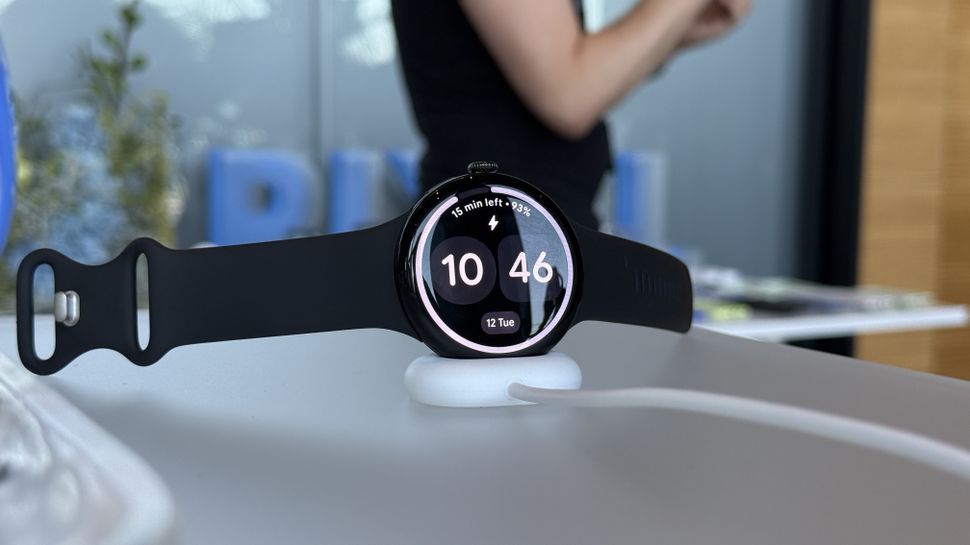
Smart watches have transformed remarkably over the past decade. What started as basic wearable devices for notifications and timekeeping has evolved into sophisticated tools that integrate seamlessly into our daily lives. In 2026, smartwatches are more than just gadgets—they are health monitors, productivity assistants, fitness coaches, and personal hubs all rolled into one device. With technological advancements in sensors, artificial intelligence, connectivity, and design, the smartwatch has become a must-have wearable for tech-savvy users, athletes, professionals, and anyone looking to manage their lifestyle efficiently.
This blog explores the most impactful smartwatch features in 2026, explaining why they are game-changers and how they enhance health, productivity, fitness, and daily convenience. By understanding these features, readers can choose devices that truly fit their needs and make the most of this rapidly evolving technology.
Advanced Health Monitoring
One of the most significant leaps in smartwatch technology is comprehensive health monitoring. Modern smartwatches go far beyond simple step counting. They now include sensors capable of tracking heart rate, blood oxygen levels (SpO2), electrocardiograms (ECG), stress levels, and even body temperature. These sensors provide real-time data that help users monitor their overall health and detect potential issues early.
Heart rate monitoring is no longer limited to basic pulse tracking. Smartwatches now offer continuous heart rate analytics, alerting users to abnormal patterns that could indicate arrhythmias or other cardiovascular issues. SpO2 sensors measure oxygen saturation in the blood, helping users track respiratory health and performance during exercise. ECG features allow users to detect irregular heart rhythms, providing a digital snapshot that can be shared with healthcare professionals for further assessment.
Stress and mental health tracking are also becoming mainstream. Using heart rate variability (HRV) and other biometric signals, smartwatches can estimate stress levels and provide guided breathing exercises or reminders to take a break. This proactive approach to wellness makes the smartwatch an essential tool for maintaining both physical and mental health in 2026.
AI Integration and Personalized Assistance
Artificial intelligence (AI) is revolutionizing how we use smartwatches. In 2026, AI-powered smartwatches can analyze patterns in your daily behavior and provide personalized recommendations. This includes suggesting workouts based on activity trends, optimizing sleep schedules, reminding you to hydrate, or even predicting potential health issues based on historical data.
AI also enhances productivity. Smartwatches can prioritize notifications, filter calls, and even summarize emails or messages for quick consumption. Some devices now integrate AI assistants that not only respond to commands but proactively anticipate user needs. For example, a smartwatch might remind you to leave early for a meeting due to traffic or suggest the best time for a workout based on your daily schedule.
The combination of AI and health monitoring creates a proactive wellness assistant on your wrist. Users are no longer passively receiving data—they are guided by actionable insights, making technology an integral part of daily decision-making.
Fitness and Multisport Tracking
Fitness remains one of the core use cases for smartwatches, but the capabilities in 2026 have expanded dramatically. Modern smartwatches feature multisport tracking, offering precise metrics for running, cycling, swimming, hiking, yoga, and even less common activities like rowing or skiing. Advanced GPS technology enables accurate distance tracking, route mapping, and performance analytics for outdoor workouts.
For runners and cyclists, smartwatches can track cadence, pace, elevation, and heart rate zones, helping optimize training and reduce the risk of injury. Swimmers benefit from waterproof designs, stroke detection, lap counting, and detailed feedback on performance. Some models even offer recovery suggestions based on workout intensity, helping users plan rest periods and avoid overtraining.
Integration with fitness apps allows users to store and analyze historical data, set goals, and participate in challenges. This gamification motivates users to stay active while providing a clear picture of progress over time. The combination of real-time data, AI-guided insights, and multisport tracking makes modern smartwatches indispensable for fitness enthusiasts.
Sleep Tracking and Recovery Insights
Sleep tracking has become a crucial feature in 2026 smartwatches. Beyond simple sleep duration, devices now provide detailed sleep stage analysis, tracking light, deep, and REM sleep cycles. Some smartwatches even monitor sleep quality by analyzing heart rate, oxygen saturation, and movement patterns.
Recovery insights help users optimize their routines. Smartwatches can recommend adjustments to bedtime, suggest wind-down activities, or advise on the ideal level of physical activity based on recovery metrics. For athletes and active individuals, understanding sleep quality is essential for performance and injury prevention.
AI-driven sleep analysis can also detect irregular patterns that may indicate underlying health issues, such as sleep apnea or chronic fatigue. By combining sleep insights with daily activity tracking, smartwatches provide a holistic view of wellness, making them more than just timekeeping devices—they become lifestyle optimizers.
Enhanced Connectivity and Notifications
Modern smartwatches offer seamless connectivity with smartphones, smart home devices, and even vehicles. Notifications for calls, messages, emails, social media, and app alerts are displayed directly on the watch, allowing users to stay informed without constantly checking their phones.
Connectivity goes beyond notifications. Smartwatches can now control music playback, manage smart home appliances, and even handle payments via NFC-enabled contactless transactions. Some models allow phone-free operation, such as making calls, sending messages, or streaming music directly from the watch.
This connectivity enhances productivity and convenience. Users can respond to urgent notifications, track appointments, or manage tasks efficiently without needing to pull out a phone. In a fast-paced 2026 lifestyle, these features help reduce digital distractions while keeping users connected.
Safety and Emergency Features
Smartwatches in 2026 include life-saving safety features. Fall detection, SOS alerts, and location tracking can provide critical assistance during emergencies. For seniors or individuals with health concerns, these features offer peace of mind, ensuring help is accessible when needed.
Some smartwatches also detect irregular heart activity or dangerously low oxygen levels and can automatically alert emergency contacts. Outdoor enthusiasts benefit from GPS tracking and weather alerts, helping them navigate safely during hiking, running, or cycling. The integration of safety technology makes the smartwatch not only a productivity and fitness device but also a personal safety tool.
Battery Life and Power Management
Battery life has traditionally been a limitation for smartwatches, but in 2026, devices are lasting longer than ever. Many models now offer multiple days of usage on a single charge, even with advanced sensors and always-on displays.
Fast-charging technology allows users to quickly top up the battery in minutes, ensuring the device is ready for workouts, work, or travel. Some watches even include solar-assisted charging or energy-efficient modes that extend battery life further. With these advancements, users no longer have to choose between rich features and long battery performance.
See also: printer solutions: Optimizing Business Efficiency with Advanced Printing Technology
Customization and Personalization
Customization is a major factor in the smartwatch revolution. Users can personalize watch faces, widgets, and even the layout of apps to suit their needs and style. This enhances usability, making it easier to access the most important features at a glance.
Interchangeable straps, materials, and colors allow smartwatches to fit both professional and casual settings. This flexibility ensures that smartwatches are not only functional but also a fashion statement, blending technology with personal style.
Music, Media, and Entertainment
Smartwatches in 2026 are capable media hubs. Users can stream music, podcasts, and audiobooks directly from the device, either via paired headphones or built-in speakers. Offline playback options allow entertainment without a phone, ideal for workouts or commuting.
Voice controls and AI assistants simplify navigation, letting users switch tracks, adjust volume, or launch apps hands-free. The integration of media management into smartwatches ensures uninterrupted entertainment while maintaining convenience and portability.
Smartwatch Ecosystem Integration
A major game-changer in 2026 is ecosystem integration. Smartwatches now interact with other wearables, fitness trackers, smart home devices, and smartphones to provide a cohesive user experience. This integration allows cross-device notifications, unified health tracking, and coordinated automation in smart homes.
For example, a smartwatch can trigger smart lighting, adjust thermostat settings, or unlock doors based on user routines. Integration with vehicles enables navigation guidance, traffic alerts, and control of in-car entertainment systems directly from the wrist. This connected experience turns the smartwatch into a central hub for both digital and physical environments.
Future-Proof Features
Smartwatch manufacturers are incorporating future-focused technologies to remain relevant as user expectations evolve. AI-driven health predictions, advanced biometric sensors, improved connectivity standards, and modular designs ensure devices remain functional and valuable over several years.
The focus on software updates and firmware improvements also extends the life of smartwatches. Many devices now allow new features to be added via updates, making the investment worthwhile and keeping pace with technological advances without requiring frequent hardware upgrades.
Conclusion
Smartwatches in 2026 are far more than simple timekeeping devices. They combine health monitoring, AI-driven insights, fitness tracking, safety features, connectivity, media management, and customization into a single wearable companion. These features are game-changers, enhancing productivity, wellness, and lifestyle convenience in ways that were unimaginable just a few years ago.
Whether you’re an athlete tracking performance, a professional managing notifications efficiently, or someone seeking to improve health and wellness, smartwatches have something to offer. By leveraging advanced sensors, AI, long battery life, and seamless ecosystem integration, users can transform their smartwatch into a powerful assistant for everyday life.
The era of 2026 marks a turning point where smartwatches are no longer just gadgets—they are essential tools for managing modern life, combining technology, convenience, and style on your wrist. Understanding and utilizing these features allows users to make the most of their wearable technology, ensuring a healthier, smarter, and more connected future.