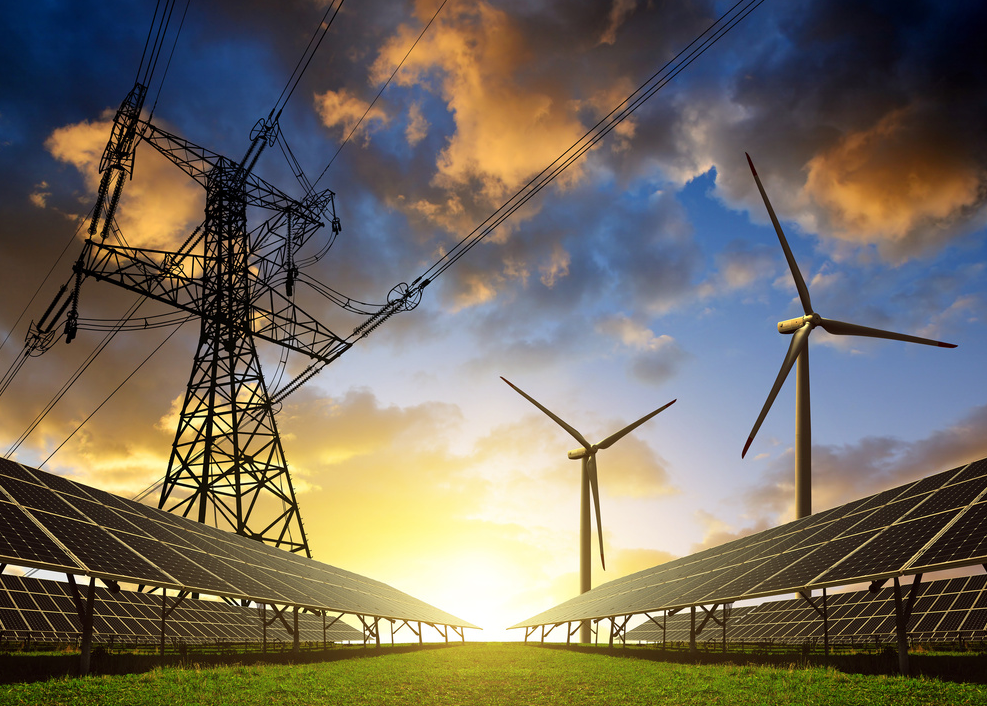
Solar panels cover rooftops. Wind turbines dot hillsides. Politicians shake hands at ribbon cuttings for green energy projects. Something big gets ignored, though. The sun sets every night. Wind stops blowing sometimes. This basic reality throws a wrench into renewable energy plans across America. Power grids run on balance. Supply must match demand every second. Coal plants adjust output with a phone call. Gas turbines spin up in minutes. Solar farms stop generating power at sunset. It didn’t matter about demand. On calm summer days, wind turbines are still while air conditioners operate at full capacity. Discrepancies between when renewable energy is generated and when electricity is needed hinder progress toward clean energy goals.
Why Timing Matters More Than Production
Renewable facilities generate tons of power at inconvenient times. Solar panels hit peak output around lunchtime. Most residences consume the most electricity after 5 PM. Homes bustle with cooking, homework, and TV. At 2 AM, wind will rise, coinciding with low electricity needs. Clean energy goes to waste daily because of bad timing. Grid operators dump solar power on sunny afternoons since nobody wants it. Four hours later? Those same operators fire up gas plants for the evening rush. The solar panels still work great. Wind turbines spin fine. But clean electricity at noon can’t help someone cooking dinner at 7 PM.
Current Strategies Fall Short
Renewable plans usually emphasize building. More panels. Bigger wind farms. Extra capacity everywhere. People assume doubling renewable generation cuts fossil fuel use in half. Math doesn’t work that way with electricity. Building generation without fixing timing sometimes makes things worse. Grid operators juggle unpredictable renewable supplies while keeping the lights on. Fossil fuel plants idle constantly, ready to jump in when clouds appear. Efficiency drops. Bills climb. Some states actually pay neighbors to take excess renewable power on sunny, windy days. They generate so much clean electricity at the wrong time that giving it away costs less than shutting down equipment.
The Storage Solution Changes Everything
Battery energy storage systems let grid operators save renewable power for when people actually want it. Engineering consulting firms like Commonwealth help utilities add huge battery banks to renewable projects, creating a buffer between generation and consumption. Excess solar power from bright afternoons waits in batteries for the evening rush. Wind energy from breezy nights runs coffee makers at sunrise. Storage turns flaky renewable sources into dependable power supplies. Grid operators breathe easier. Fossil fuel plants close for good rather than waiting on standby. Clean energy shifts from nice idea to practical reality.
See also: Beyond Spreadsheets: The Rise of Modern Financial Reconciliation Tech
Beyond Batteries
While batteries receive significant media attention, alternative storage solutions are also viable. When power demand is low, pumped hydro moves water uphill. It then flows back through turbines during peak demand. Compressed air systems squeeze air into caves during surplus periods. Hot molten salt holds thermal energy for hours or days. Different storage fits different needs. Batteries react in milliseconds. Pumped hydro stores enough energy to power cities for days but needs mountains and water. Compressed air requires specific underground geology. Really smart renewable strategies mix storage types based on local conditions and requirements.
Conclusion
Storage makes or breaks renewable energy strategies. Another thousand solar panels won’t retire coal plants if their power vanishes at sunset. Wind farms collecting dust on calm days help nobody. Storage bridges the gap between renewable energy production and human power consumption patterns. Any community serious about clean energy needs storage plans immediately. The technology works today. Costs keep dropping. The missing piece sits on shelves waiting for implementation. Renewable energy plus storage equals real change. Everything else just makes good press releases.